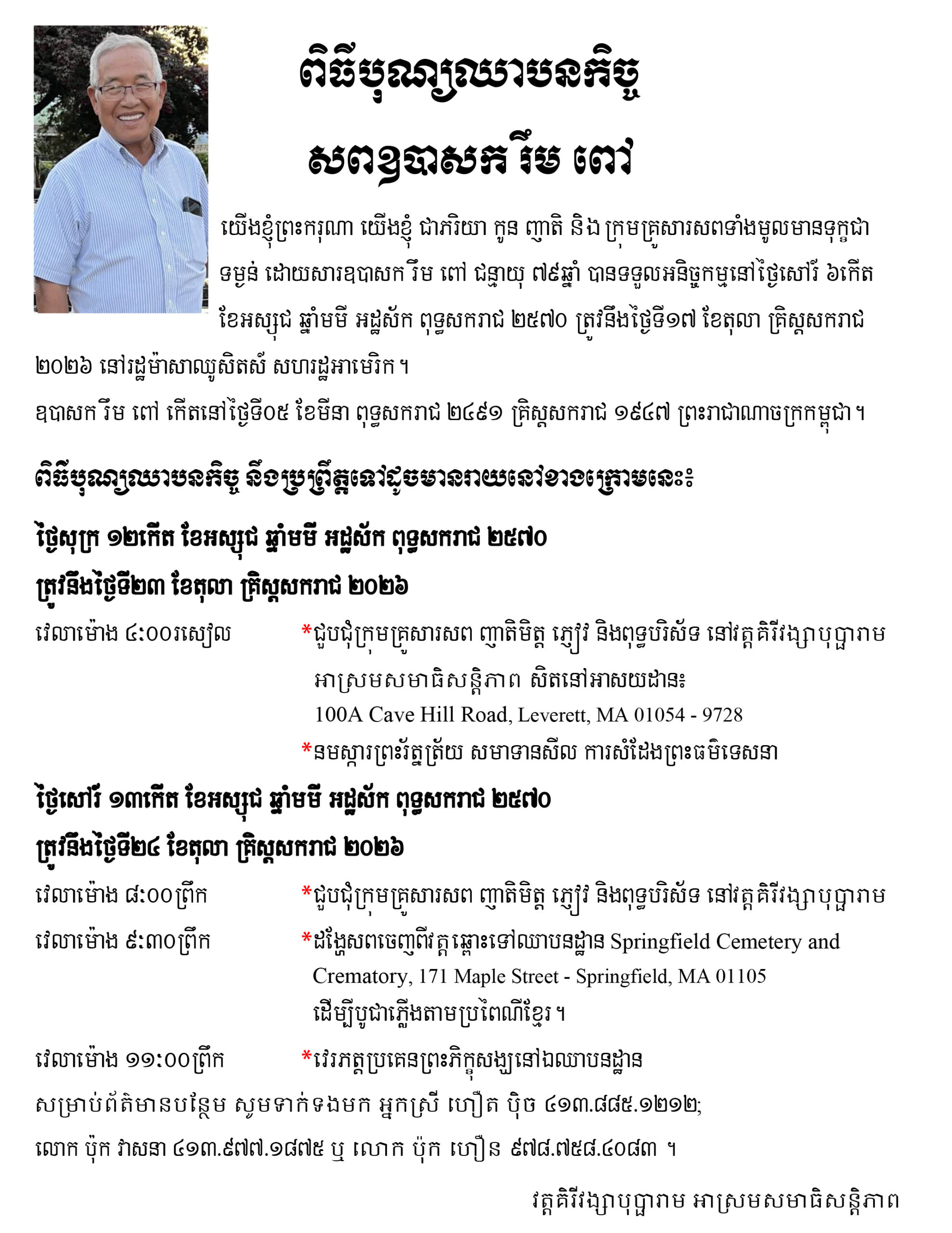
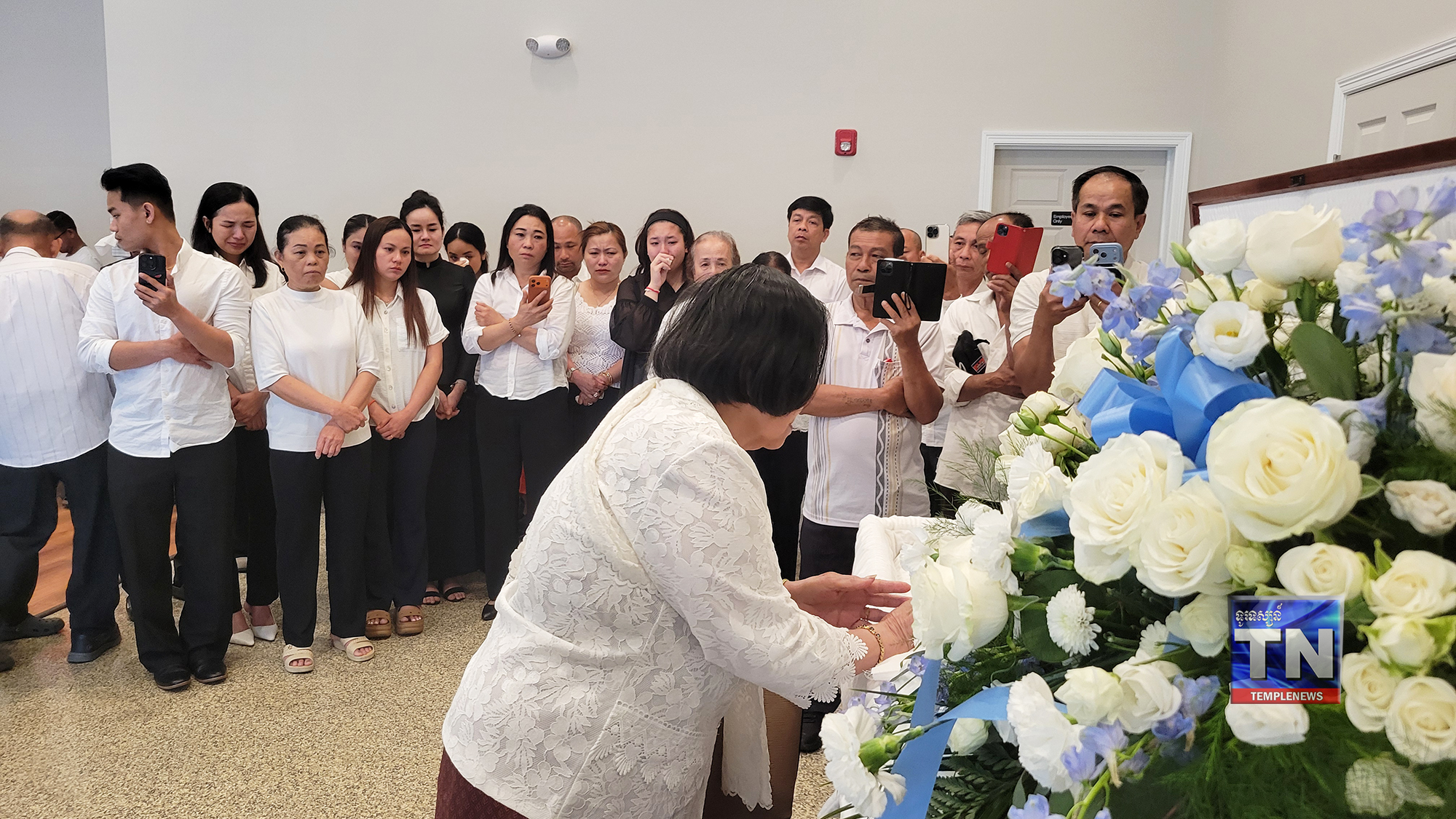
ពិធីបុណ្យឈាបនកិច្ចឧបាសក រឹម ពៅ ជន្មាយុ ៧៩ឆ្នាំ ប្រារព្ធនៅថ្ងៃ ១២ ដល់ ១៣កេីត ខែអស្សុជ ឆ្នាំមមី អដ្ឋស័ក ពុទ្ធសករាជ ២៥៧០ ត្រូវនឹងថ្ងៃទី២៣ ដល់ ២៤ ខែតុលា គ្រិស្ដសករាជ ២០២៦ នៅវត្ដគិរីវង្សាបុប្ផារាម អាស្រមសមាធិសន្ដិភាព ទីក្រុងឡេវវើរ៉េត រដ្ឋម៉ាសាឈូសិត្ដស៍ សហរដ្ឋអាមេរិក
*ថ្ងៃសុក្រ ១២កើត ខែឆ្នាំដដែល វេលាម៉ោង ៤រសៀល រំកិលសពចូលវត្ដគិរីវង្សាបុប្ផារាម អាស្រមសមាធិសន្ដិភាព ដើម្បីតម្កល់ទុកសម្រាប់ប្រារព្ធពិធីបុណ្យឈាបនកិច្ចតាមព្រះពុទ្ធសាសនាទំនៀមទម្លាប់ប្រពៃណីខ្មែរ
*ថ្ងៃសៅរ៍ ១៣កើត ខែឆ្នាំដដែល ដង្ហែសពចេញពីវត្ដឆ្ពោះទៅកាន់ឈាបនដ្ឋាន Springfield Cemetery and Crematory, 171 Maple St, Springfield, MA 01105 ដើម្បីបូជាភ្លើង ។
Read More→
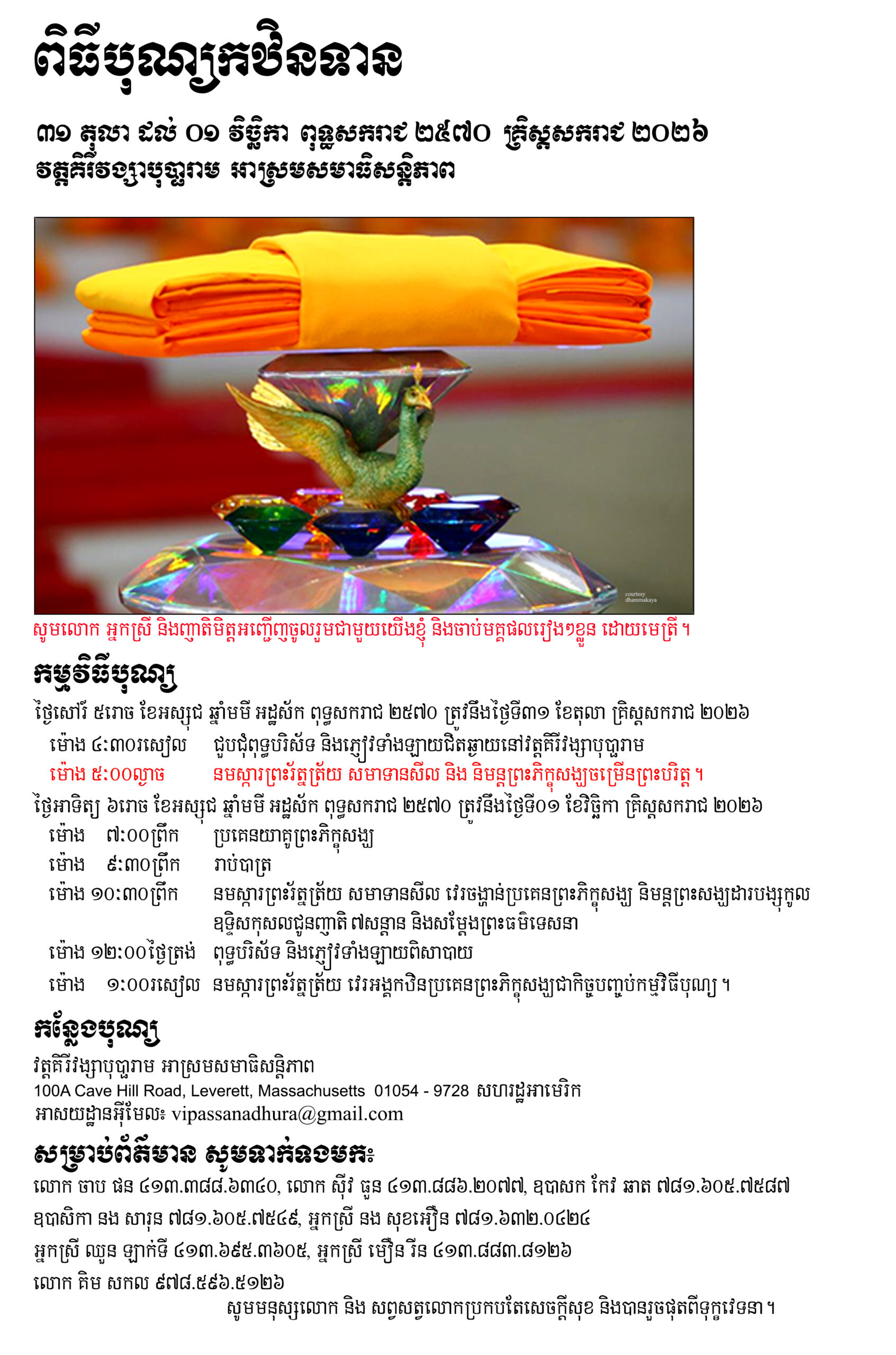
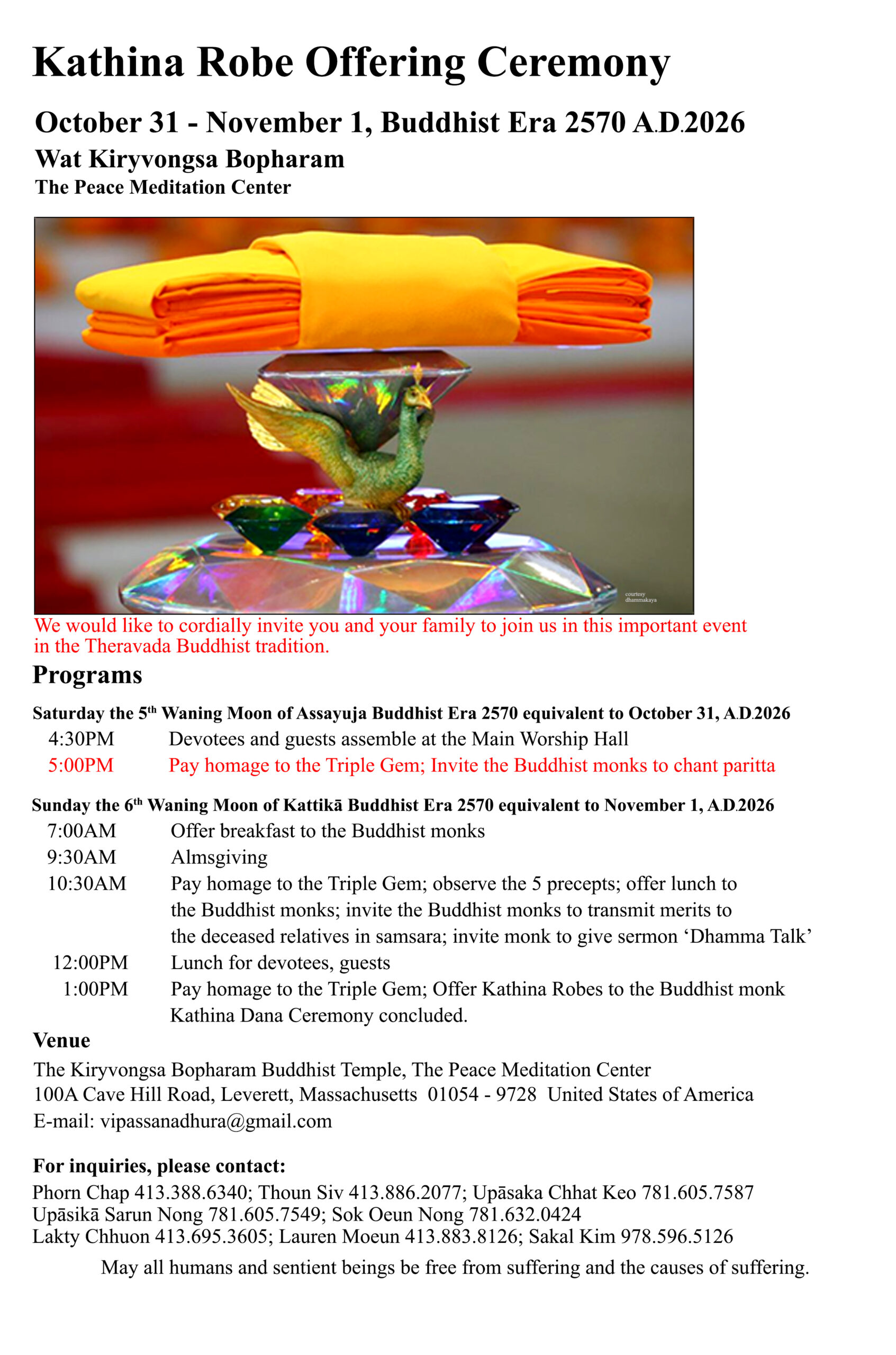
ពិធីបុណ្យកឋិន នឹងប្រារព្ធនៅវត្ដគិរីវង្សាបុប្ផារាម អាស្រមសមាធិសន្ដិភាព នាថ្ងៃសៅរ៍ដល់អាទិត្យ ៥ ដល់ ៦រោច ខែអស្សុជ ឆ្នាំមមី អដ្ឋស័ក ពុទ្ធសករាជ ២៥៧០ ត្រូវនឹងថ្ងៃទី៣១ ខែតុលា ដល់ ០១ ខែវិច្ឆិកា គ្រិស្ដសករាជ ២០២៦
Kathin to be held at Wat Kiryvongsa Bopharam, the Peace Meditation Center on Saturday – Sunday the 5th – 6th Waning Moon of Assayuja, Buddhist Era 2570 equivalent to October 31 – November 1, A.D.2026 Year of the Horse
ពិធីបុណ្យកាន់បិណ្ឌ និងពិធីបុណ្យភ្ជុំបិណ្ឌ នៅវត្ដគិរីវង្សាបុប្ផារាម អាស្រមសមាធិសន្ដិភាព ២៧ កញ្ញា ដល់ ១១ តុលា ២៥៧០/២០២៦
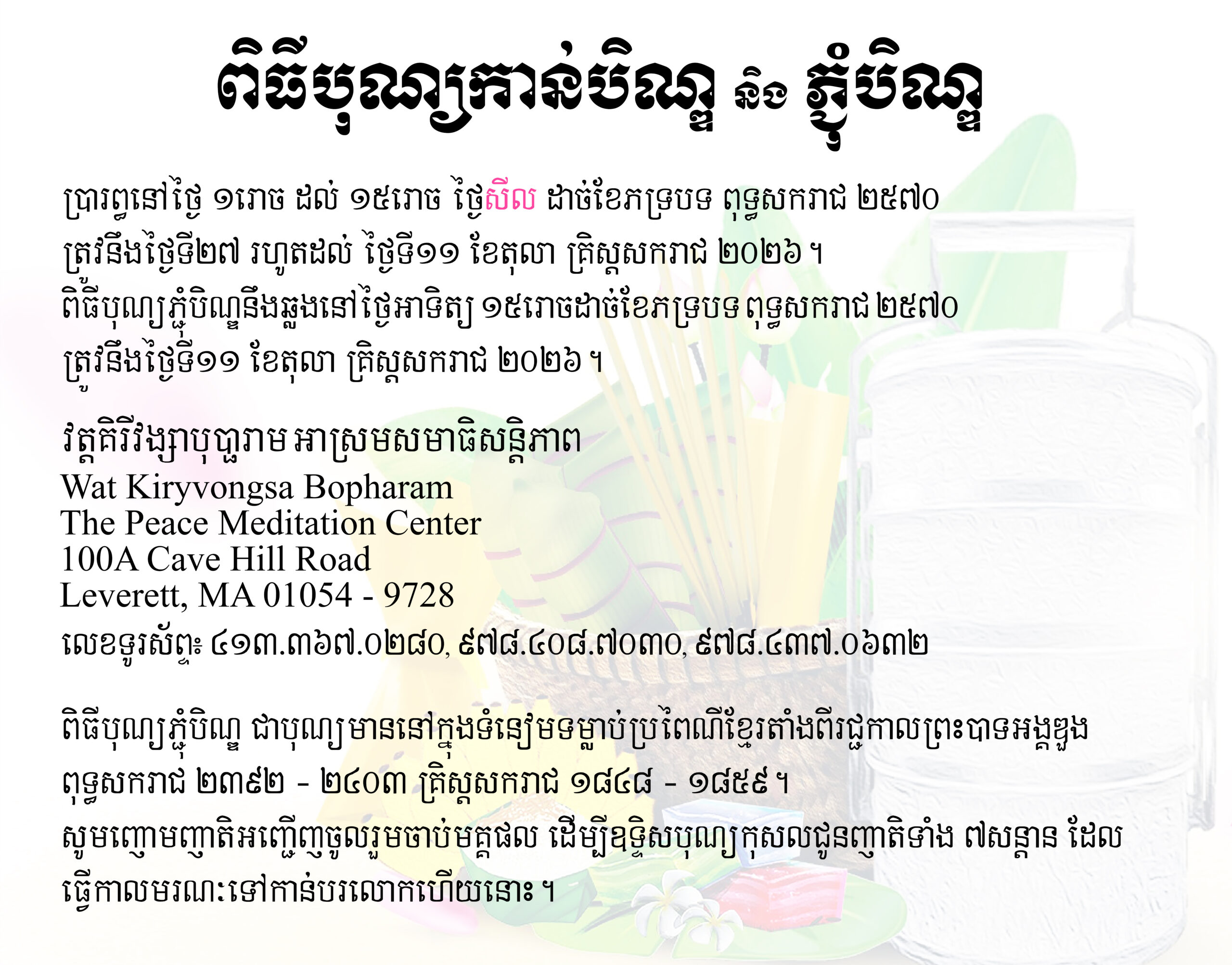
ពិធីបុណ្យកាន់បិណ្ឌ និងពិធីបុណ្យភ្ជុំបិណ្ឌ នៅថ្ងៃ ១រោច ដល់ថ្ងៃ ១៥រោច ថ្ងៃសីល ខែភទ្របទ ពុទ្ធសករាជ ២៥៧០ ត្រូវនឹងថ្ងៃទី២៧ ខែកញ្ញា ដល់ថ្ងៃទី១១ ខែតុលា គ្រិស្ដសករាជ ២០២៦ នៅវត្ដគិរីវង្សាបុប្ផារាម អាស្រមសមាធិសន្ដិភាព។
ពិធីបុណ្យភ្ជុំបិណ្ឌនឹងឆ្លងនៅថ្ងៃអាទិត្យ ១៥កើត ថ្ងៃសីល ដាច់ខែភទ្របទ ត្រូវនឹងថ្ងៃទី១១ ខែតុលា ឆ្នាំដដែល ។
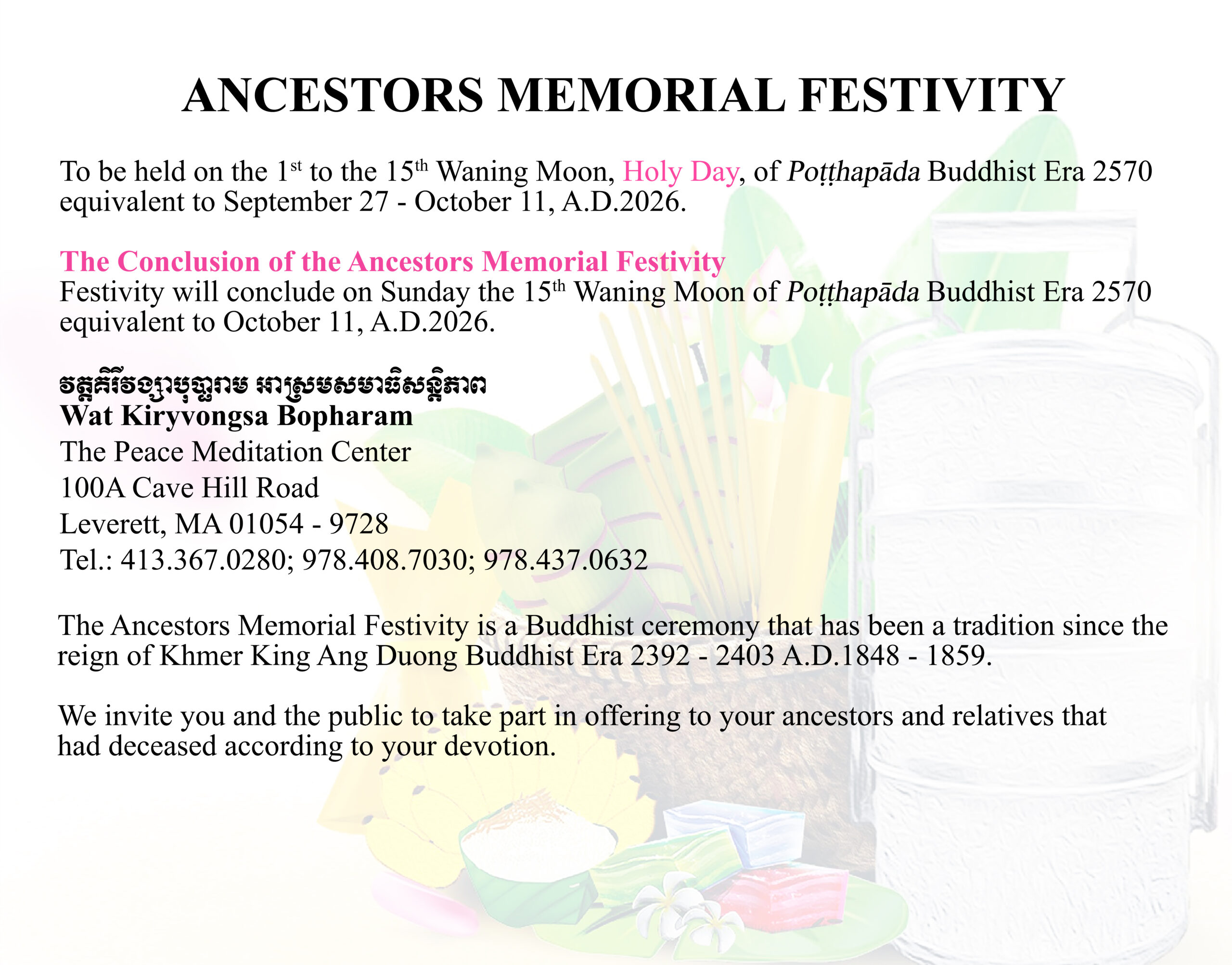
Wat Kiryvongsa Bopharam, the Peace Meditation Center celebrating Ancestors Memorial Festivity on Sunday 1st Waning Moon to the 15th Waxing Moon of Poṭṭhapāda, Buddhist Era 2570 equivalent to September 27 – October 11, A.D.2026.
The festivity will conclude on Sunday the 15th Waxing Moon of Pottapada equivalent to October 11.
វត្ដគិរីវង្សាបុប្ផារាម អាស្រមសមាធិសន្ដិភាព
Wat Kiryvongsa Bopharam, The Peace Meditation Center
100A Cave Hill Road
Leverett, MA 01054 – 9728
លេខទូរស័ព្ទ៖ ៤១៣.៣៦៧.០២៨០, ៩៧៨.៤០៨.៧០៣០, ៩៧៨.៤៣៧.០៦៣២
Telephones: 413.367.0280, 978.408.7030, 978.437.0632
Fundraising Ceremony held at Wat Kiryvongsa Bopharam, the Peace Meditation Center on Sunday the 11th Waning Moon of Tutiyāsādha, year of the Horse, Buddhist Era 2570 equivalent to August 9, A.D.2026
ពិធីបុណ្យផ្កាប្រាក់ នៅវត្ដគិរីវង្សាបុប្ផារាម អាស្រមសមាធិសន្ដិភាព ប្រារព្ធនាថ្ងៃអាទិត្យ ១១រោច ខែទុតិយាសាឍ ឆ្នាំមមី អដ្ឋស័ក ពុទ្ធសករាជ ២៥៧០ ត្រូវនឹងថ្ងៃទី០៩ ខែសីហា គ្រិស្ដសករាជ ២០២៦
Vassa or Rains Retreat at Wat Kiryvongsa Bopharam, the Peace Meditation Center on July 30, 2570/2026
ពិធីបុណ្យចូលព្រះវស្សា នៅវត្ដគិរីវង្សាបុប្ផារាម អាស្រមសមាធិសន្ដិភាព នា ៣០ កក្កដា ២៥៧០/២០២៦
ប្រវត្ដិសង្ខេប ស្ដីពី ការចូលព្រះវស្សា សម្រាប់ភិក្ខុ និង សាមណេរ មានតាំងពីពុទ្ធកាលមកម្ល៉េះ ត្រូវប្រព្រឹត្ដនៅថ្ងៃ ១រោច ខែអាសាឍ ដល់ថ្ងៃ ១៥កើត ខែអស្សុជ
Brief History of Vassa (Rains Retreat) for Bhikkhu and Sāmanera, an annual three-month monastic retreat practiced especially in the Theravada Buddhist tradition since the time of the Buddha
១. ការចាំព្រះវស្សាមានពីរយ៉ាង៖ ចូលវស្សាទី១ ហៅថា បុរិមិកាវស្សា ថ្ងៃ ១រោច ខែអាសាឍ ដល់ថ្ងៃ ១៥កើត ពេញបូណ៌មី ខែអស្សុជ; ចូលវស្សាទី២ ហៅថា បច្ឆិមិកាវស្សា ថ្ងៃ ១រោច ខែស្រាពណ៍ ដល់ថ្ងៃ ១៥កើត ពេញបូណ៌មី ខែកត្ដិក។
ចូលវស្សាទី១ បានអានិសង្ស៥ (គុណប្រយោជន៍ ឬ សេចក្ដីសុខចម្រើន), ចូលវស្សាទី២ ឥតបានអានិសង្សអ្វីទាំងអស់។
២. ភិក្ខុត្រូវអាបត្ដិទុក្កដ (អំពើអាក្រក់, បាប) ប្រសិនបើឥតចូលវស្សាទេ។
៣. ធុរៈពីរយ៉ាងក្នុងព្រះពុទ្ធសាសនា ដែលព្រះសង្ឃត្រូវសិក្សាមាន៖ គន្ធធុរៈ (ព្រះបរិយត្ដិធម៌) និង វិបស្សនាធុរៈ (សមាធិ និង វិបស្សនាកម្មដ្ឋាន)។
៤. ប្រសិនបើឥតបានរៀននិងបដិបត្ដិសមាធិ និង វិបស្សនាកម្មដ្ឋានទេ ព្រះសម្មាសម្ពុទ្ធបន្ទោសថា ព្រះសង្ឃទាំងឡាយស៊ីឈ្នួលតថាគត គ្រាន់តែបានចងចាំពាក្យតថាគត រស់បានបច្ច័យបួន លុយស៊ីឈ្នួល។ ដើម្បីកុំឱ្យព្រះសម្មាសម្ពុទ្ធបន្ទោស ត្រូវរៀនសីល៥ សីល៨ សីល១០ រៀននិងបដិបត្ដិសមាធិ និង វិបស្សនាកម្មដ្ឋាន រៀនធម្មវិន័យ ភាសាបាលី ។ល។
៥. សេចក្ដីពិតមែនចាំទៀនវស្សាទេដើម្បីកុំឱ្យដាច់វស្សា ការពិតគឹការទំនុកបម្រុងនូវបច្ច័យបួនដល់ព្រះភិក្ខុសង្ឃ ព្រះភិក្ខុសង្ឃត្រូវធ្វើនូវសីល សមាធិ បញ្ញា។ Read More→
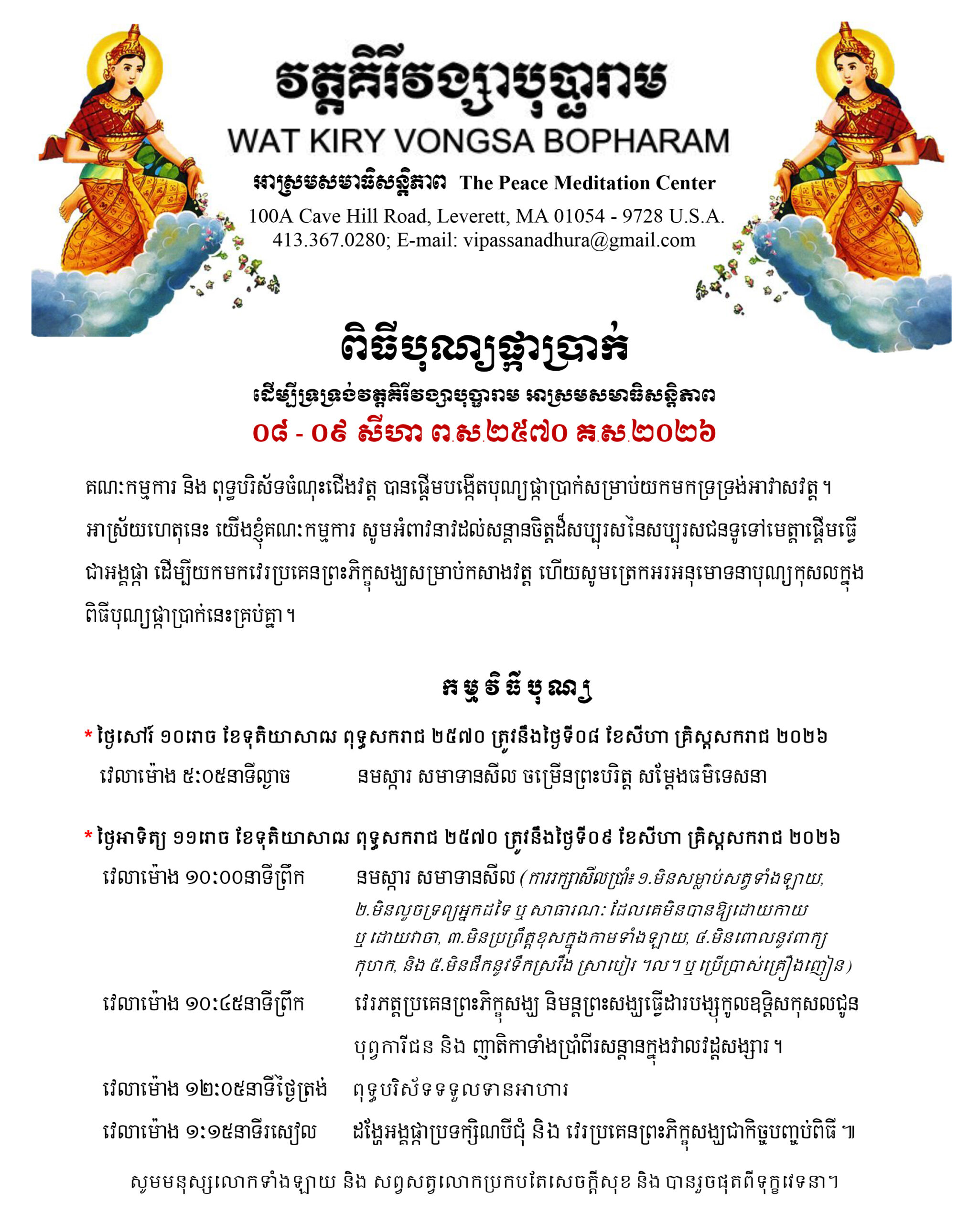
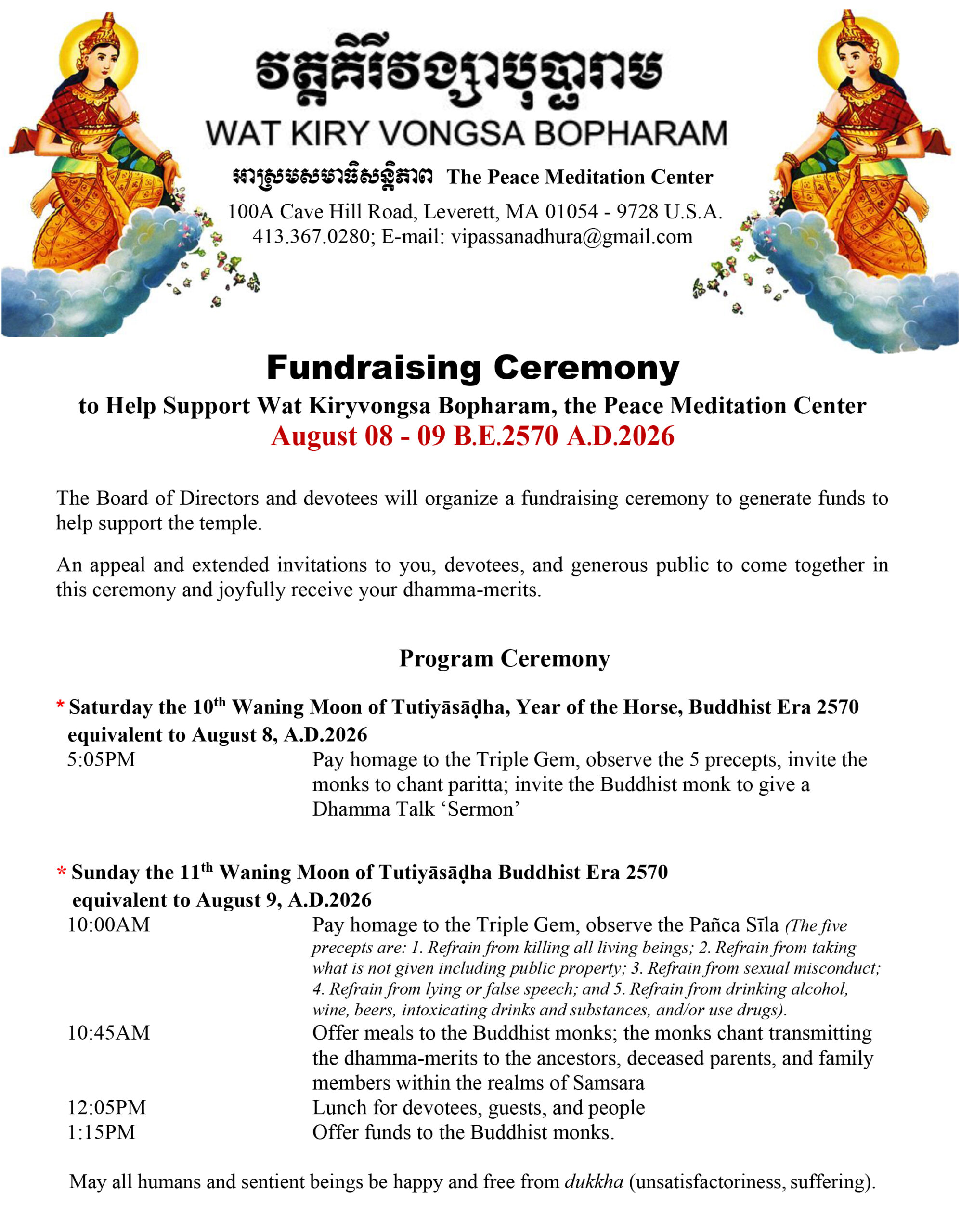
ពិធីបុណ្យផ្កាប្រាក់ នៅវត្ដគិរីវង្សាបុប្ផារាម អាស្រមសមាធិសន្ដិភាព ប្រារព្ធនាថ្ងៃសៅរ៍ – អាទិត្យ ១០ – ១១រោច ខែទុតិយាសាឍ ឆ្នាំមមី អដ្ឋស័ក ពុទ្ធសករាជ ២៥៧០ ត្រូវនឹងថ្ងៃទី០៨ – ០៩ ខែសីហា គ្រិស្ដសករាជ ២០២៦
Fundraising Ceremony to be held at Wat Kiryvongsa Bopharam, the Peace Meditation Center on the 10th-11th Waning Moon of Tutiyasadh, year of the Horse, Buddhist Era 2570 equivalent to August 8 – 9, A.D.2026
ផ្សាយនៅថ្ងៃព្រហស្បតិ៍រ ២កើត ខែទុតិសាឍ ឆ្នាំមមី អដ្ឋស័ក ពុទ្ធសករាជ ២៥៧០ ត្រូវនឹងថ្ងៃទី១៦ ខែកក្កដា គ្រិស្ដសករាជ ២០២៦
Posted on Thursday the 2nd Waxing Moon of Tutiyasadh Buddhist Era 2570 equivalent to July 16, A.D.2026 Year of the Horse
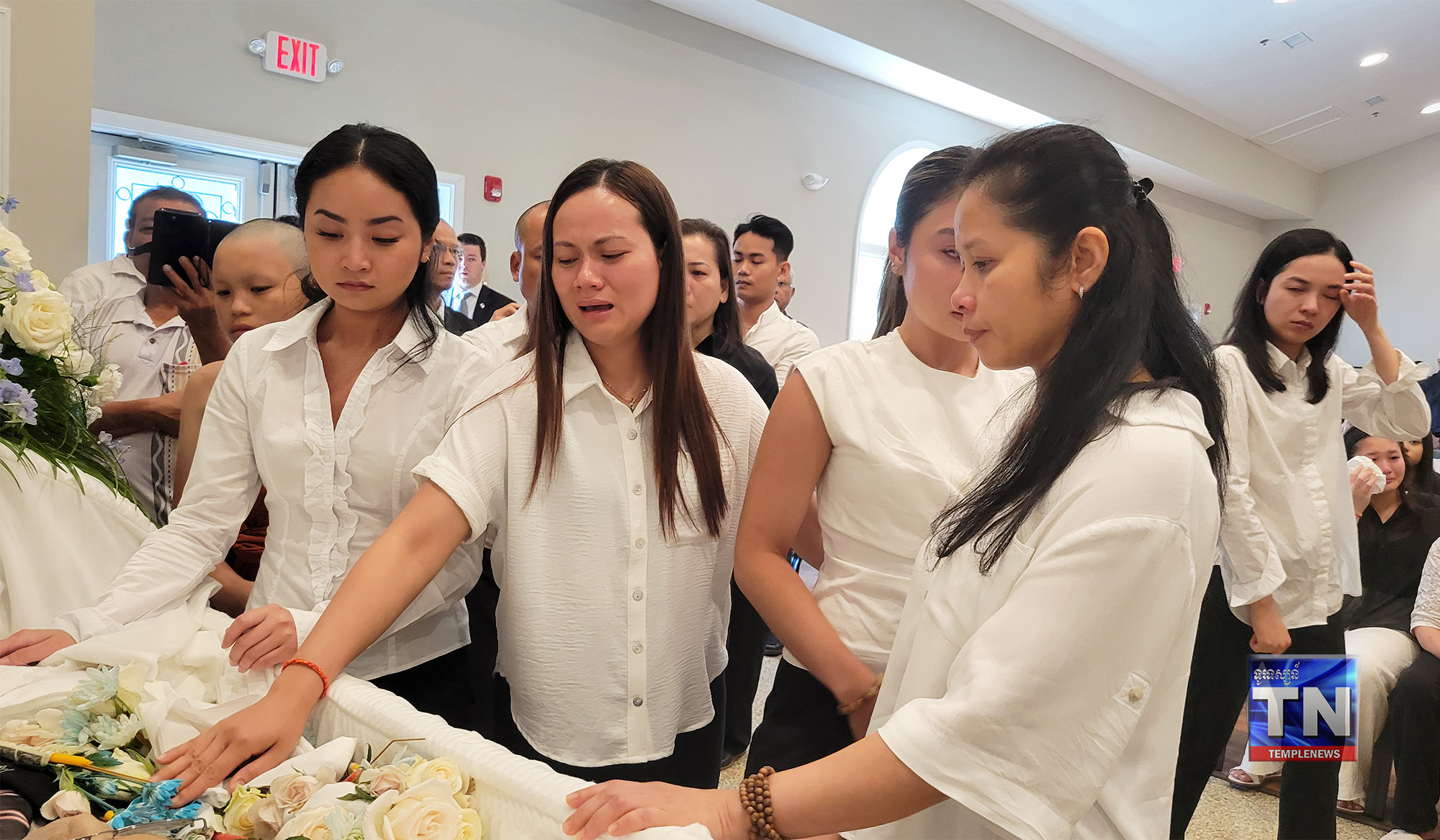
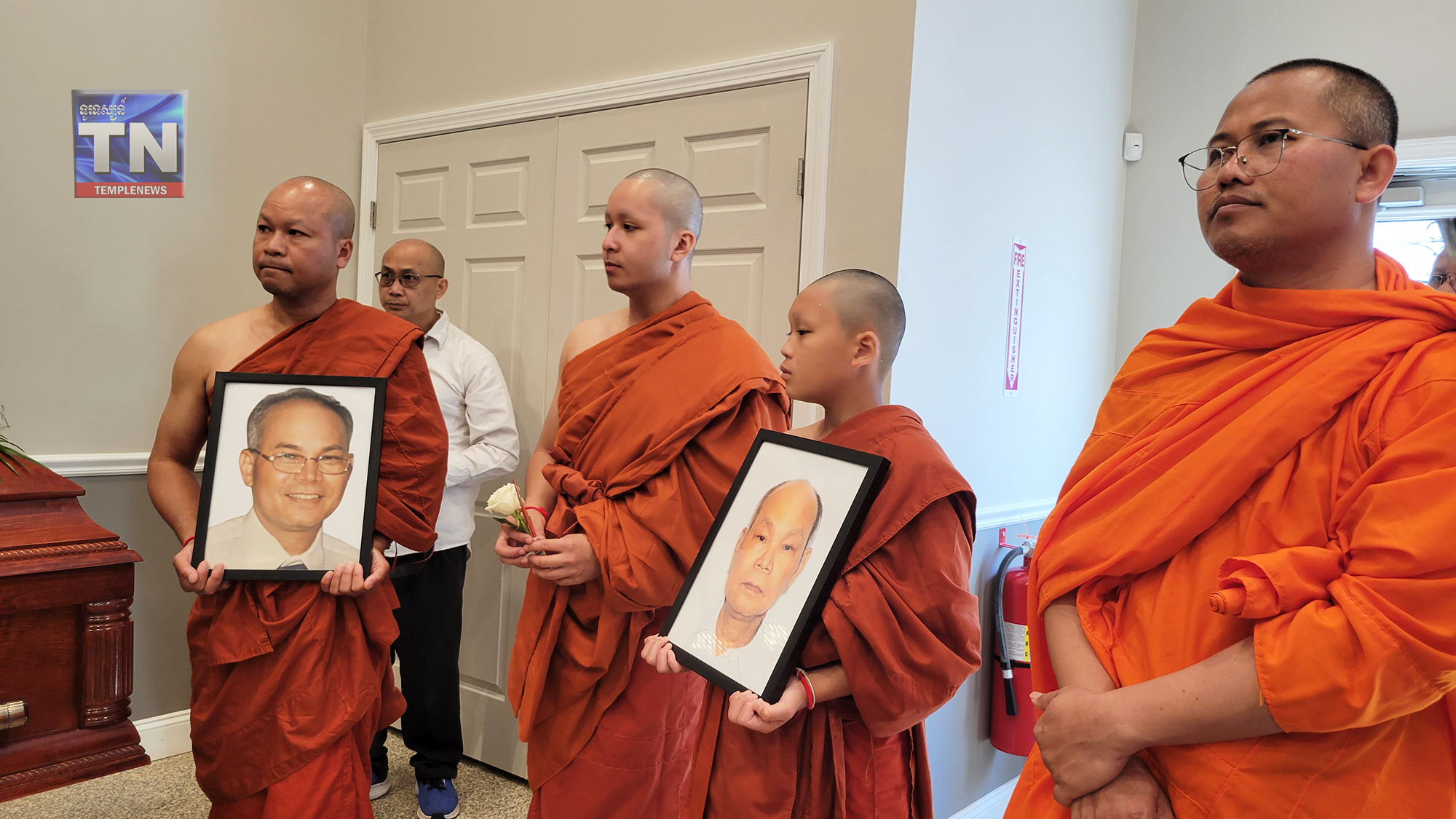
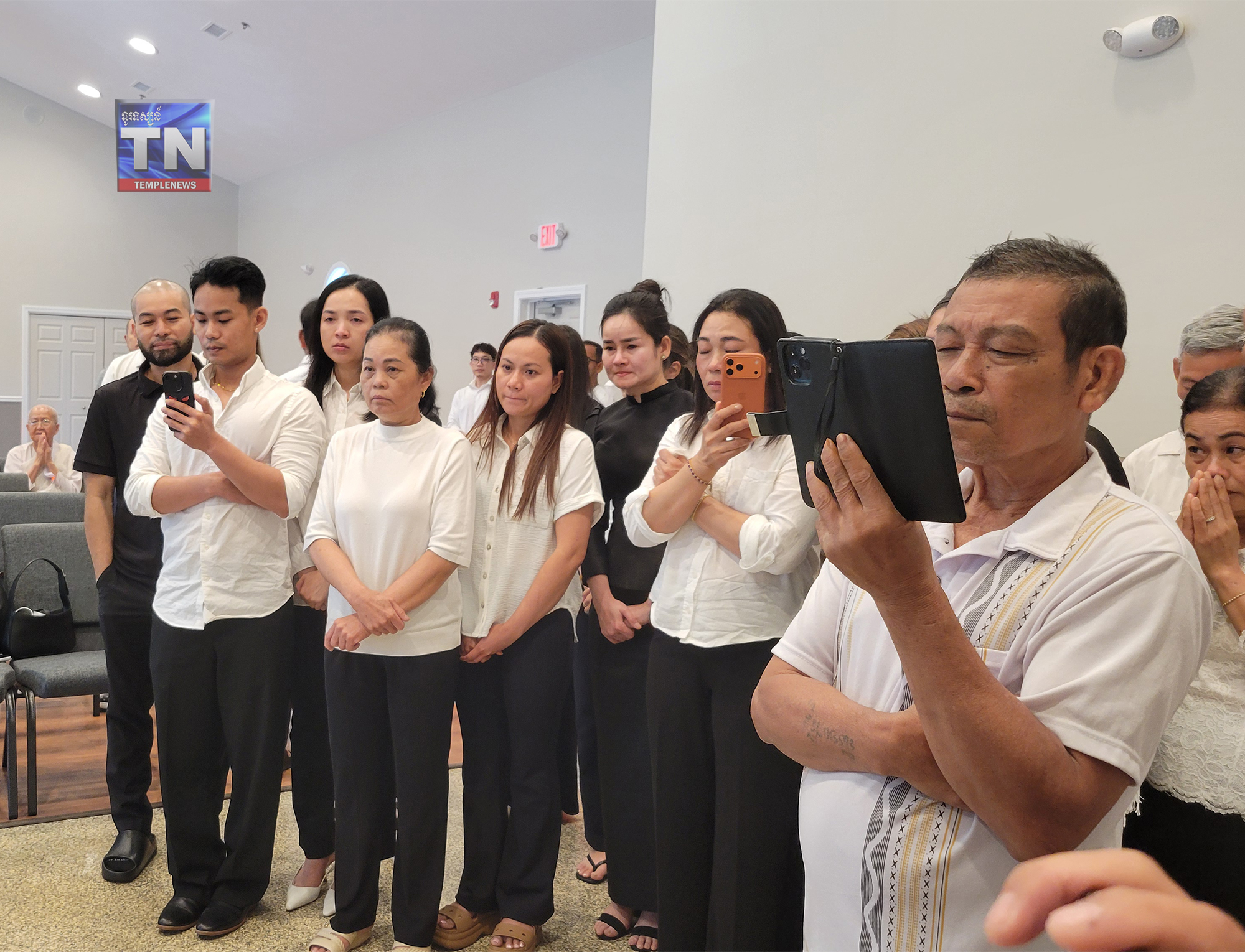
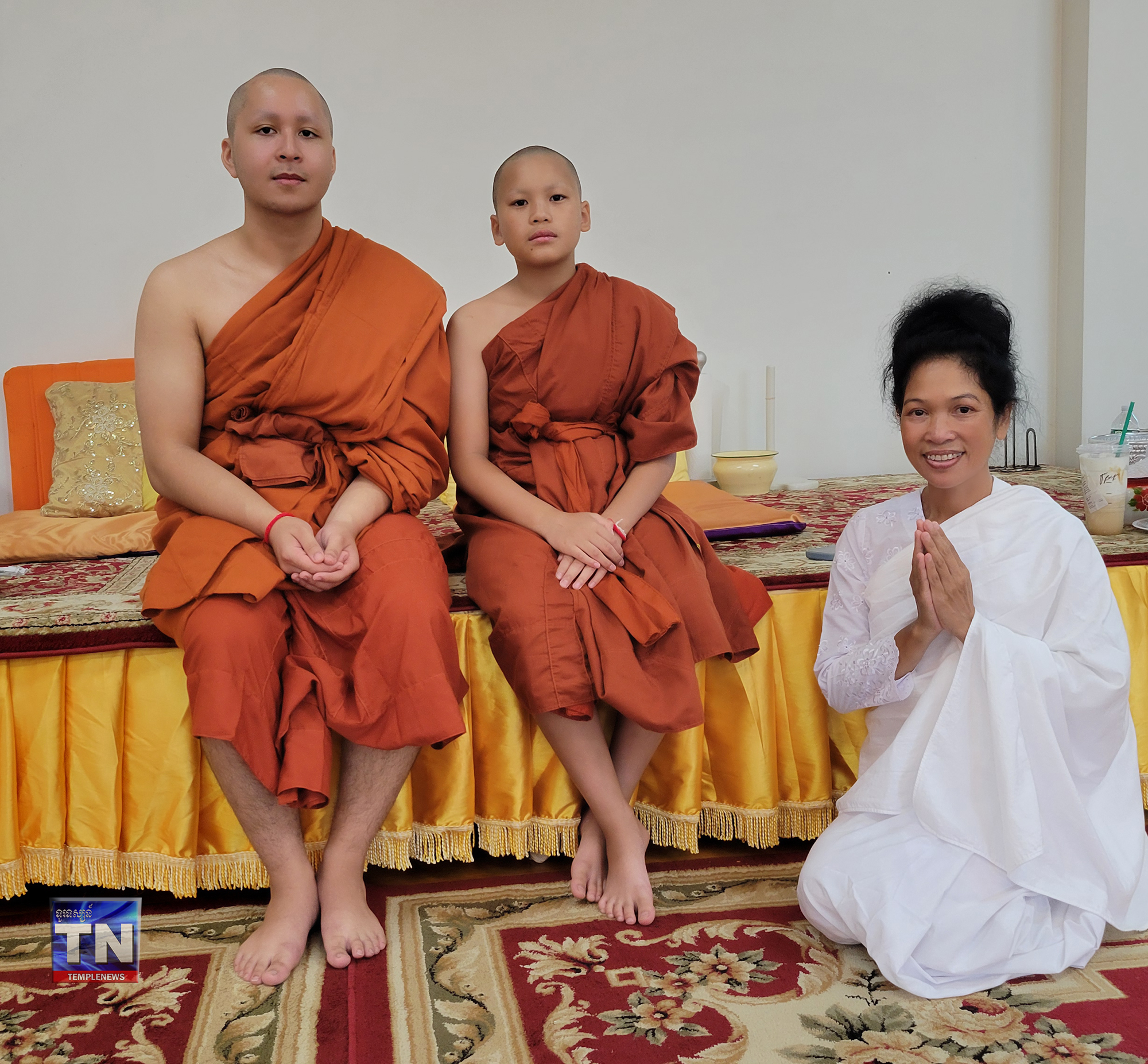
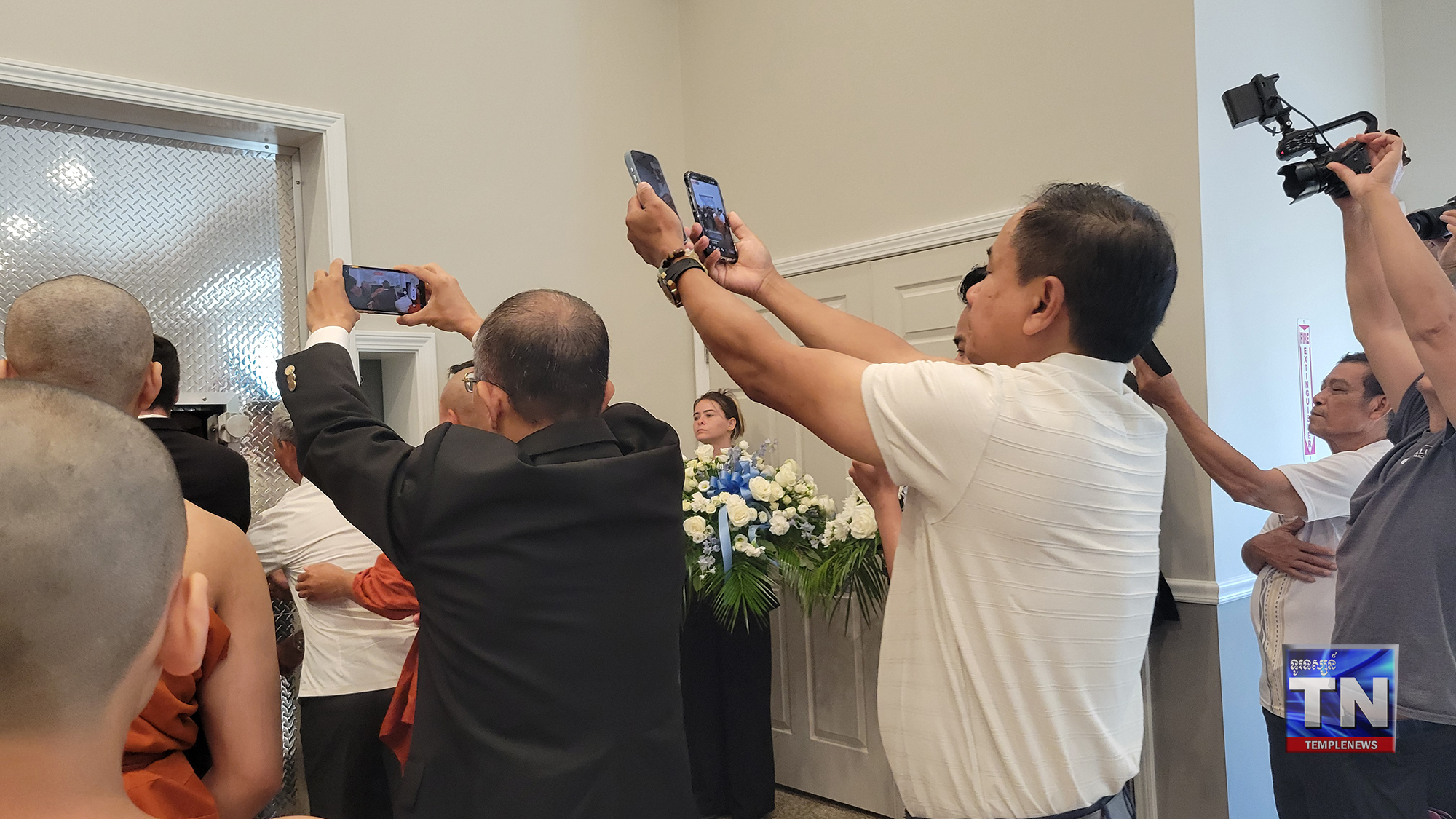
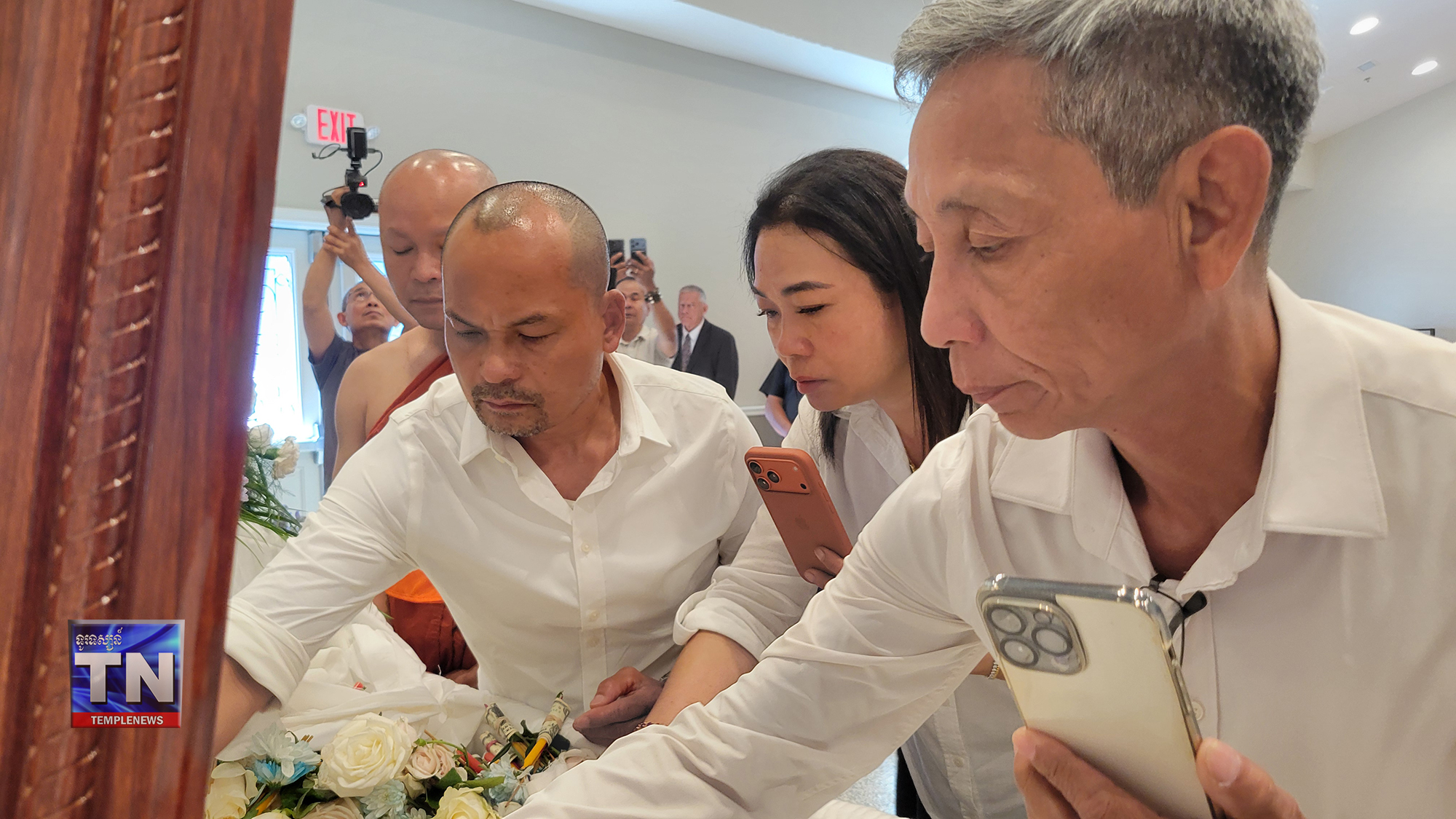
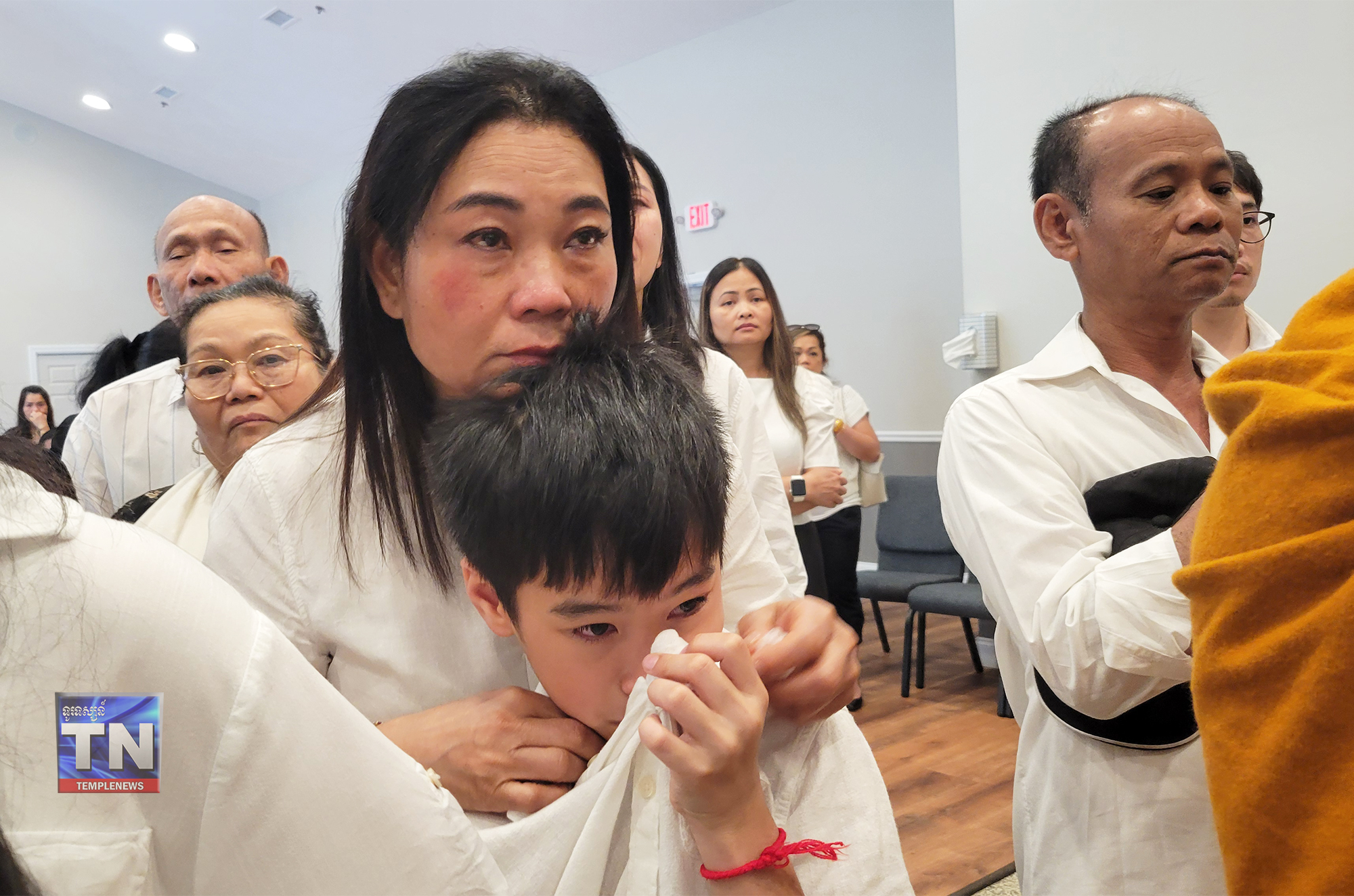
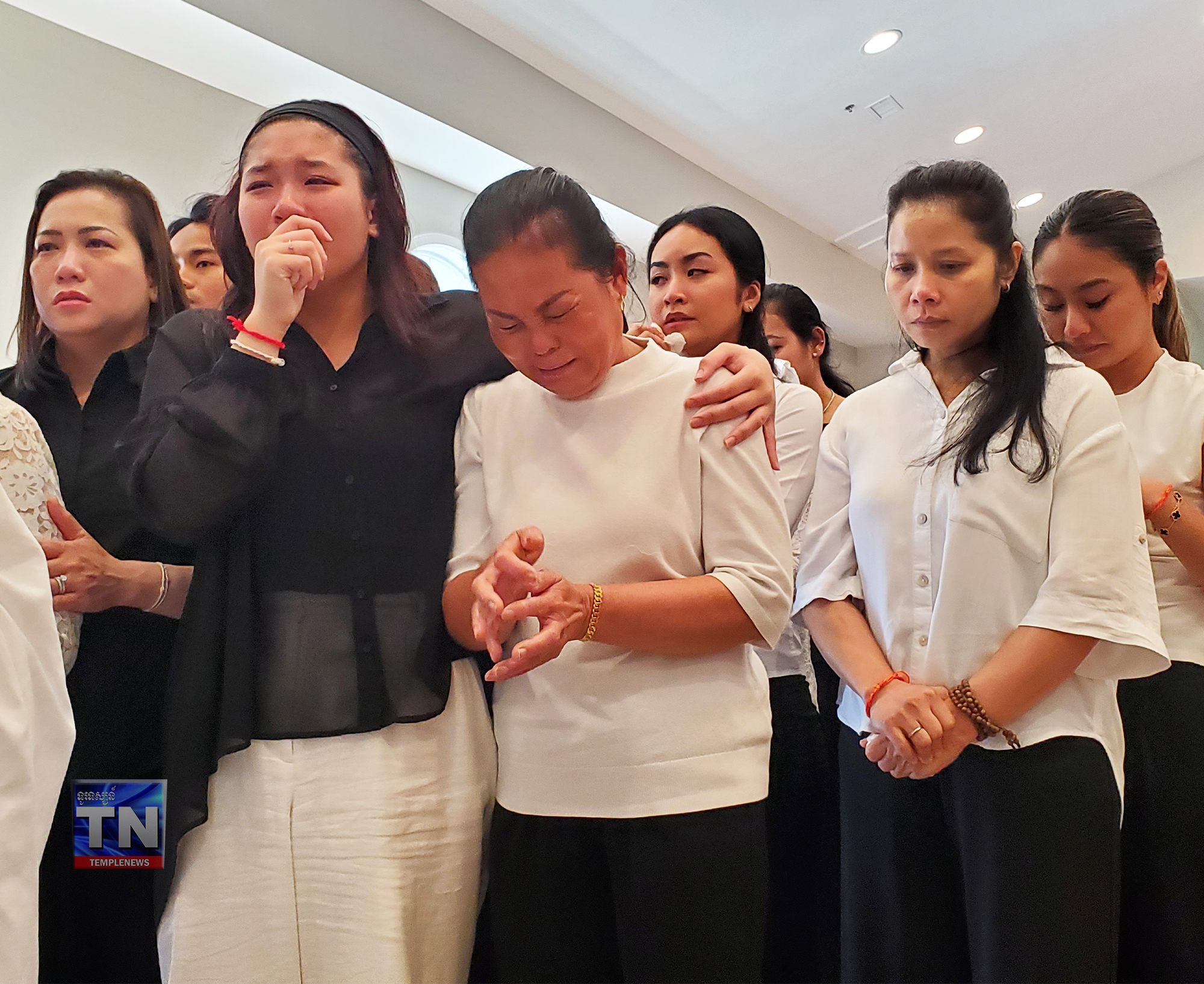
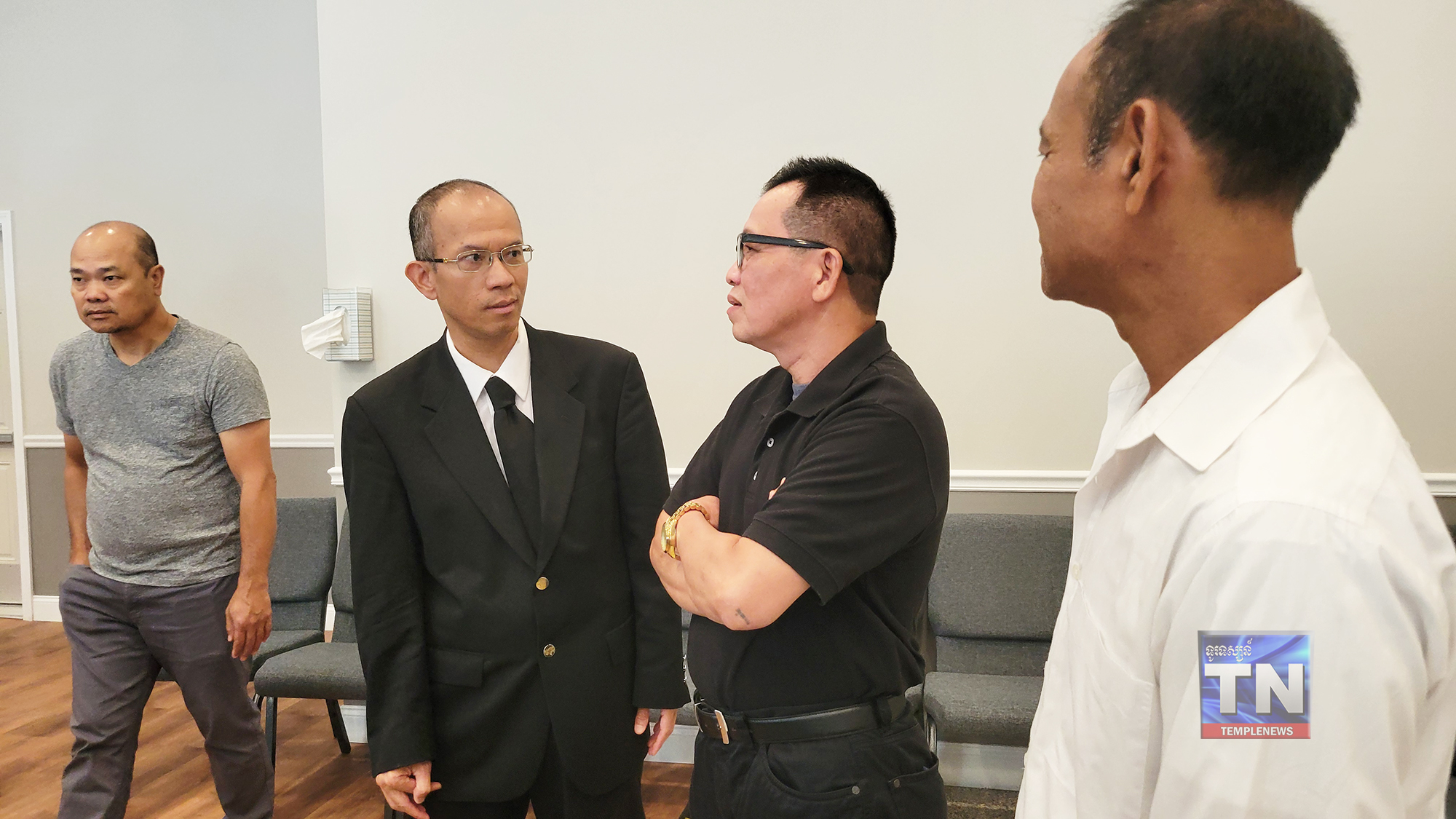

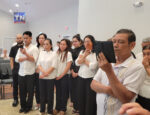
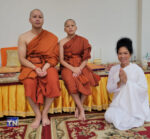

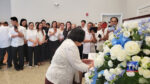
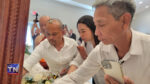
ពិធីបុណ្យឈាបនកិច្ចឧបាសក ថាច់ រ៉ាង ប្រារព្ធនៅវត្ដពន្លឺពុទ្ធចក្ក ទីក្រុងឡូវ៉េល រដ្ឋម៉ាសាឈូសិត្ដស៍ និង ឈាបនដ្ឋាន ម៉ែរីម៉ាក ទីក្រុង Merrimack រដ្ឋនូហេមសៀ នៅថ្ងៃចន្ទ ១៤រោច ថ្ងៃកោរ ខែបឋមាសាឍ ឆ្នាំមមី អដ្ឋស័ក ពុទ្ធស័ក ២៥៧០ ត្រូវនឹងថ្ងៃទី១៣ ខែកក្កដា គ្រិស្ដសករាជ ២០២៦
ឧបាសក ថាច់ រ៉ាង កើតនៅស្រុកថ្កូវ ខេត្ដព្រះត្រពាំង កម្ពុជាក្រោម និង ទទួលអនិច្ចកម្មនៅទីក្រុងឡូវ៉េល រដ្ឋម៉ាសាឈូសិត្ដស៍ សហរដ្ឋអាមេរិក ។
Funeral Service of the late Upāsaka Hoanh “Rang” Thach, Age 86, held at the Glory Buddhist Temple, Lowell, Massachusetts and at the Merrimack Crematory, Merrimack, New Hampshire on Monday the 14th Waning Moon, Head Shaving Day, of Pathamasadh, Year of the Horse, Buddhist Era 2570 equivalent to July 13, A.D.2026.
Mr. Rang Thach was born in Thkov district, Preah Trapaing province, Kampuchea Krom; Passed Away in Lowell, Massachusetts, United States of America
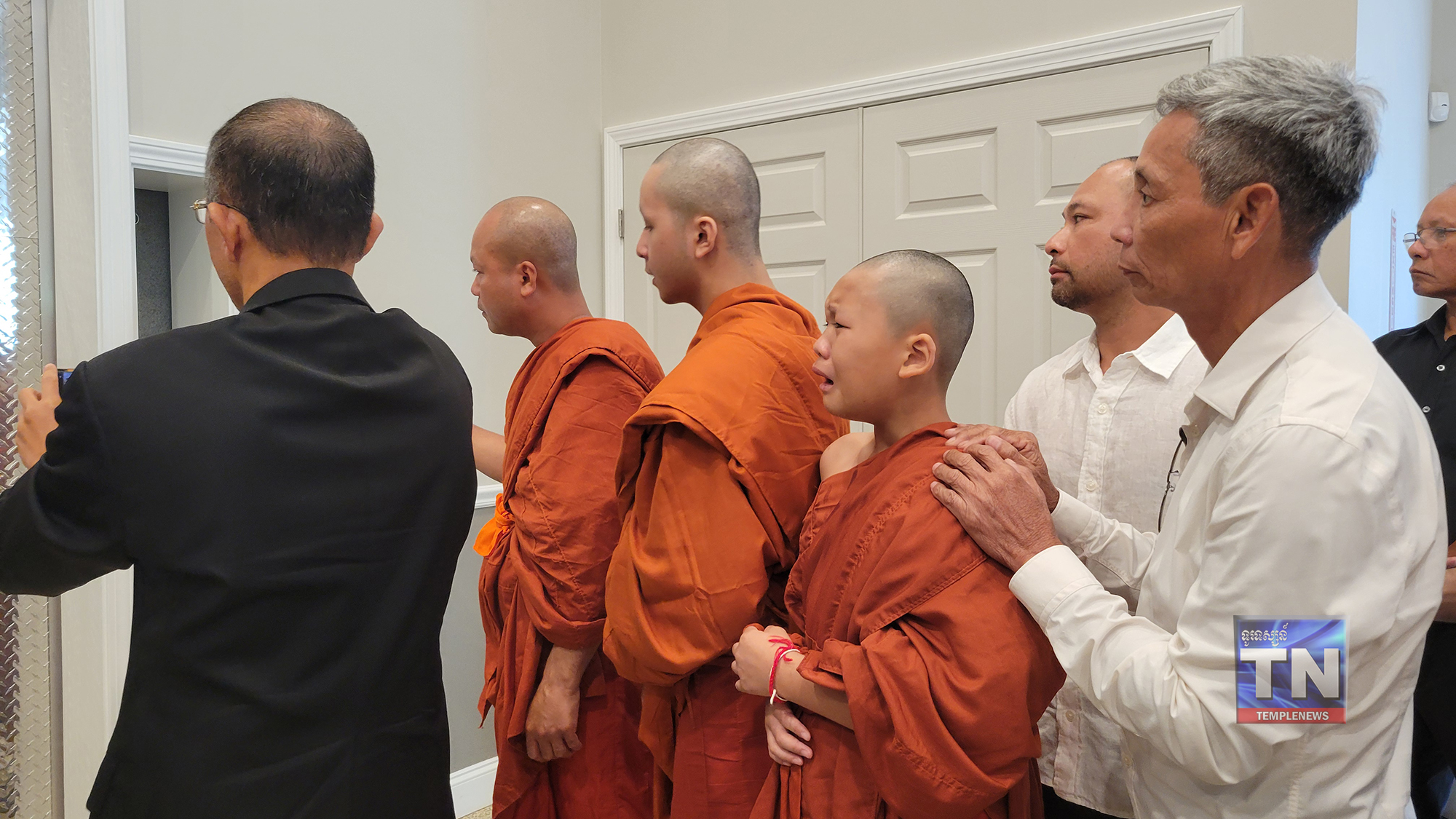
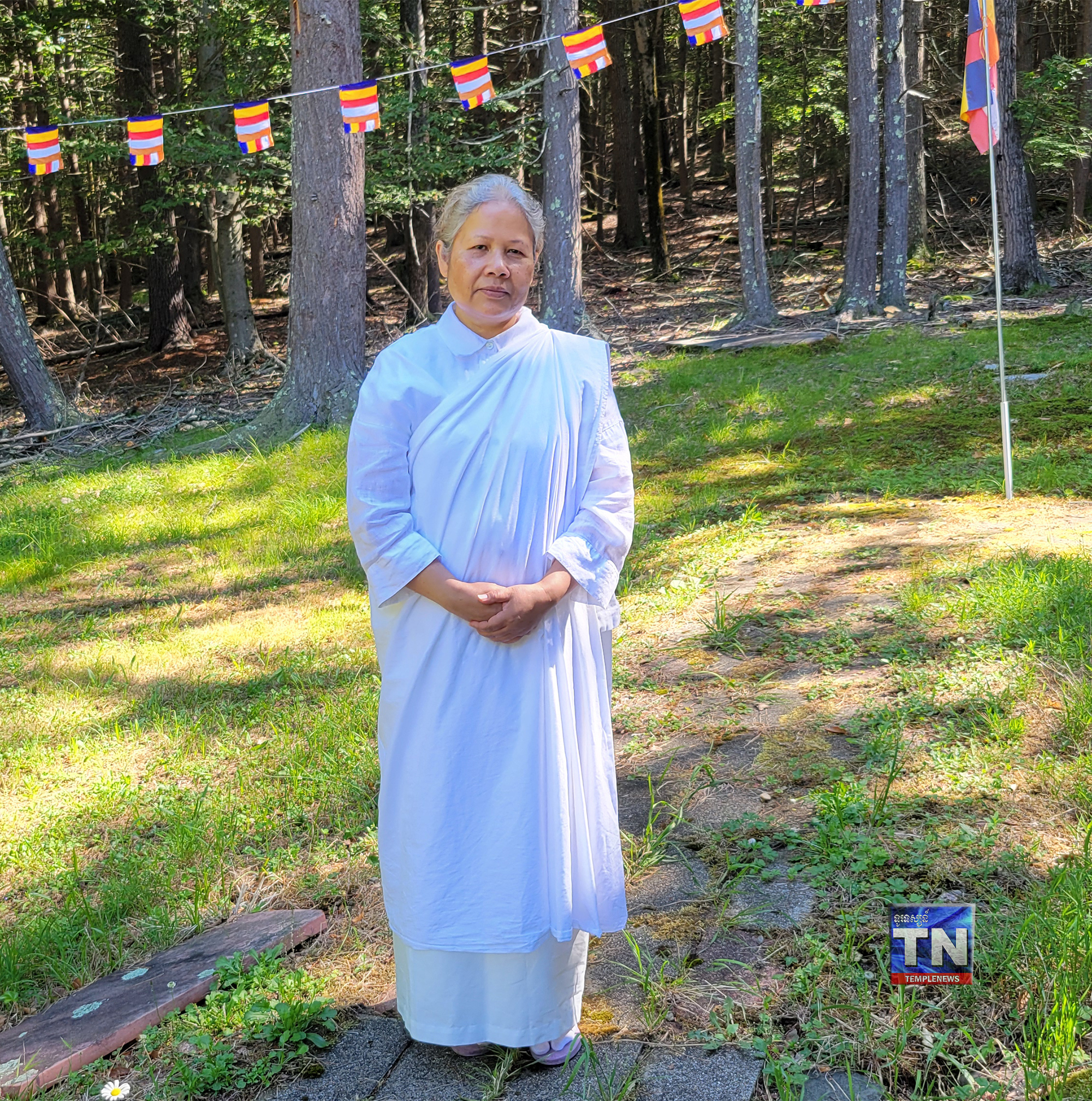
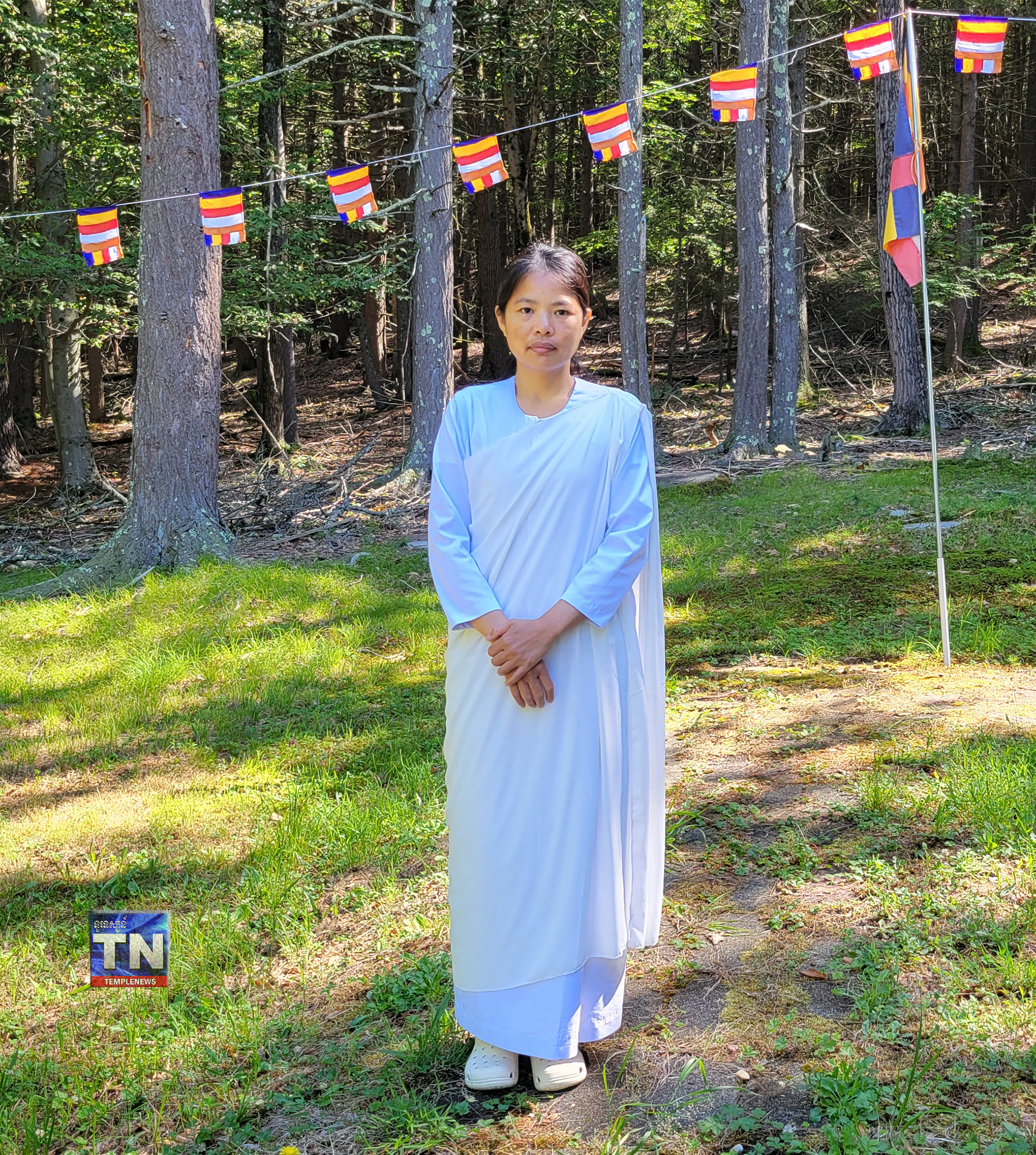
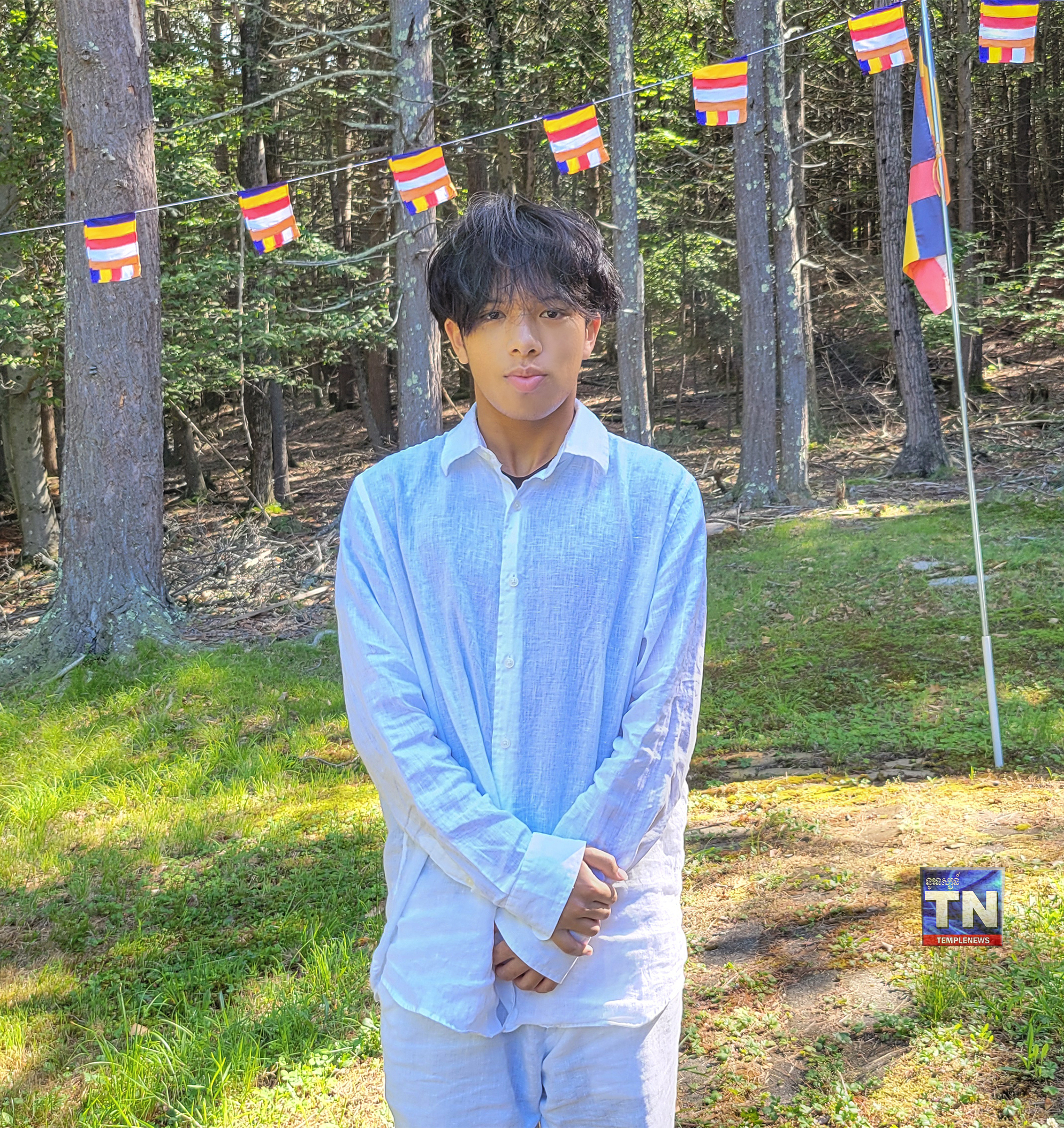
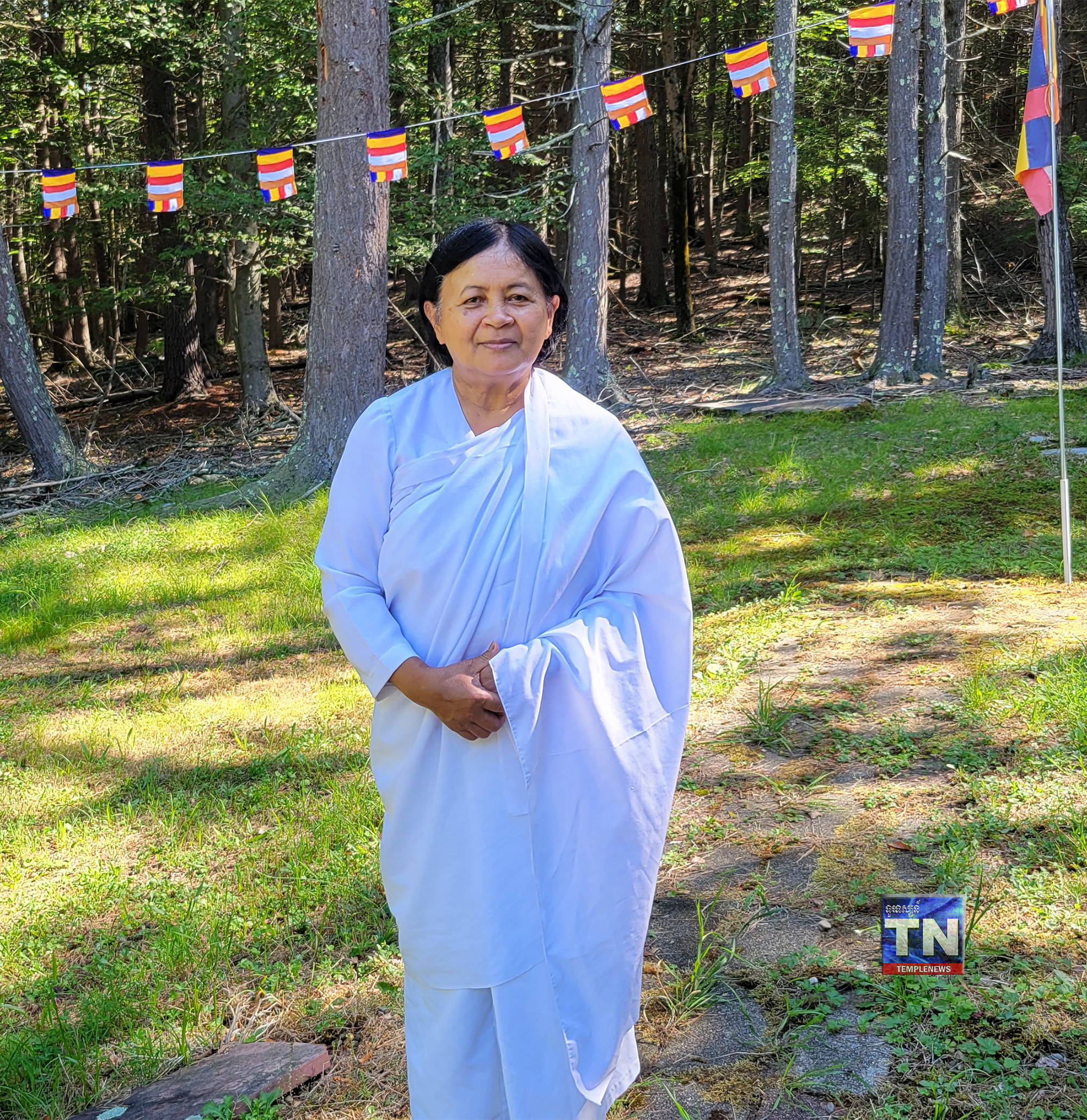
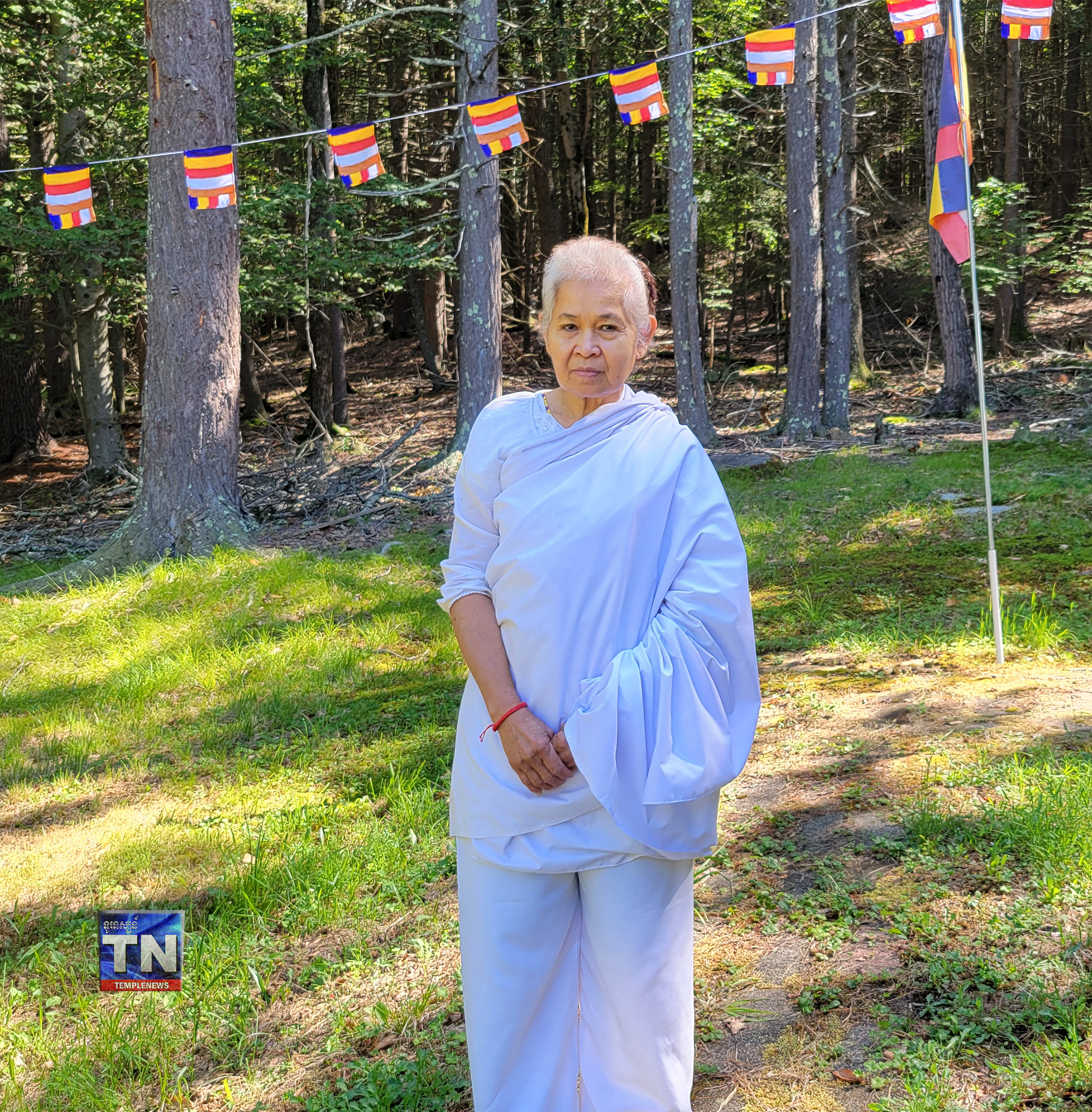
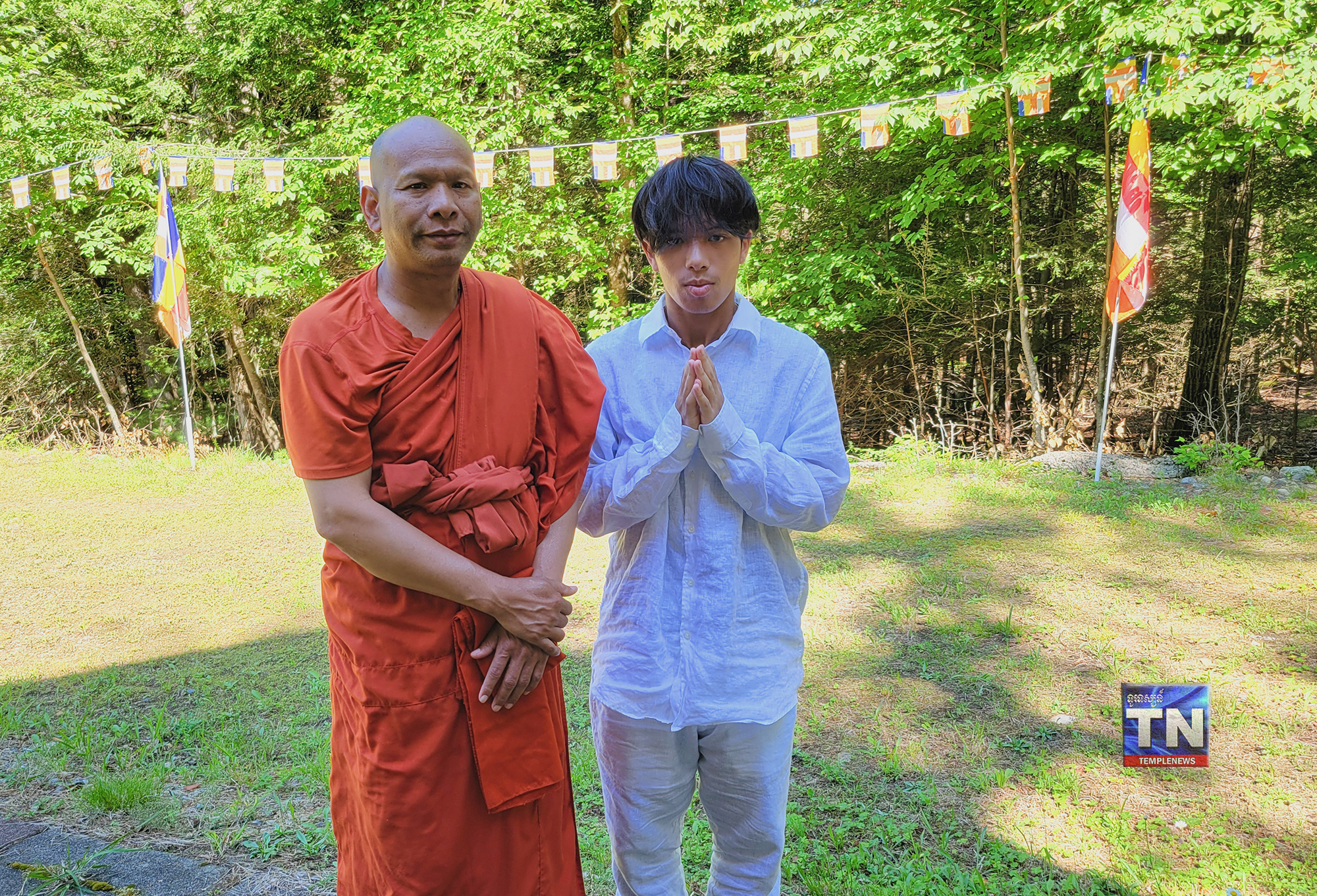
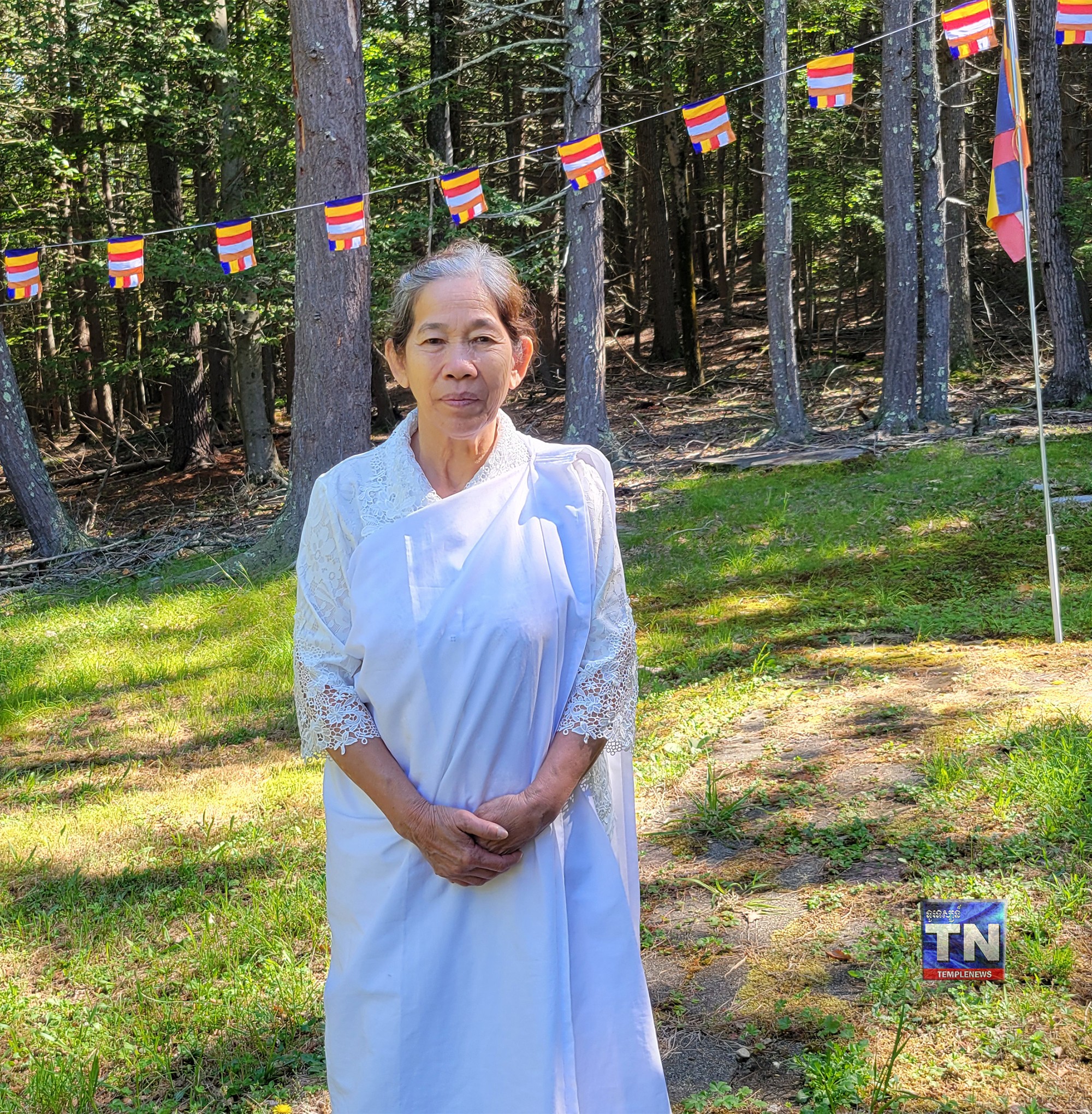
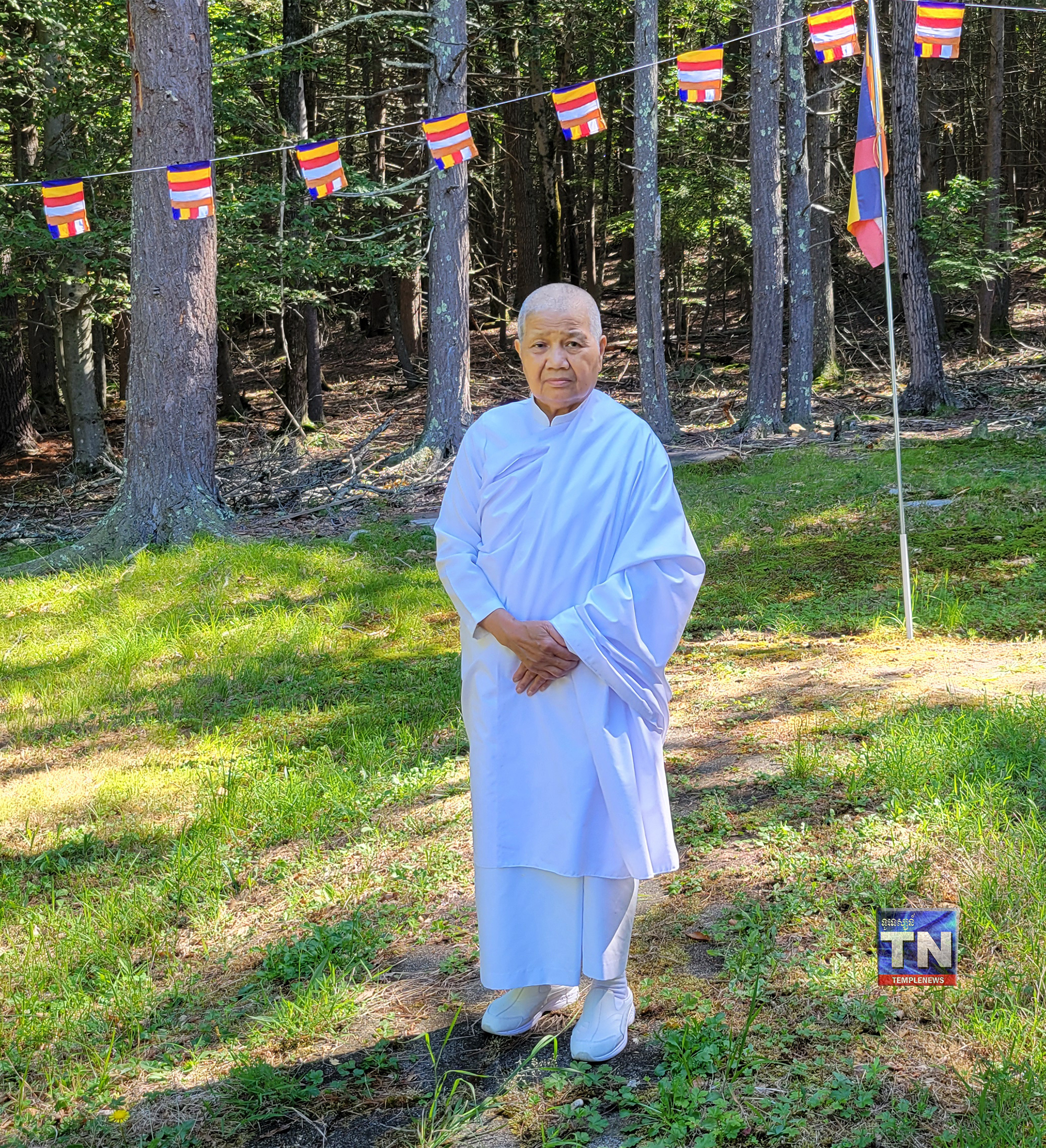
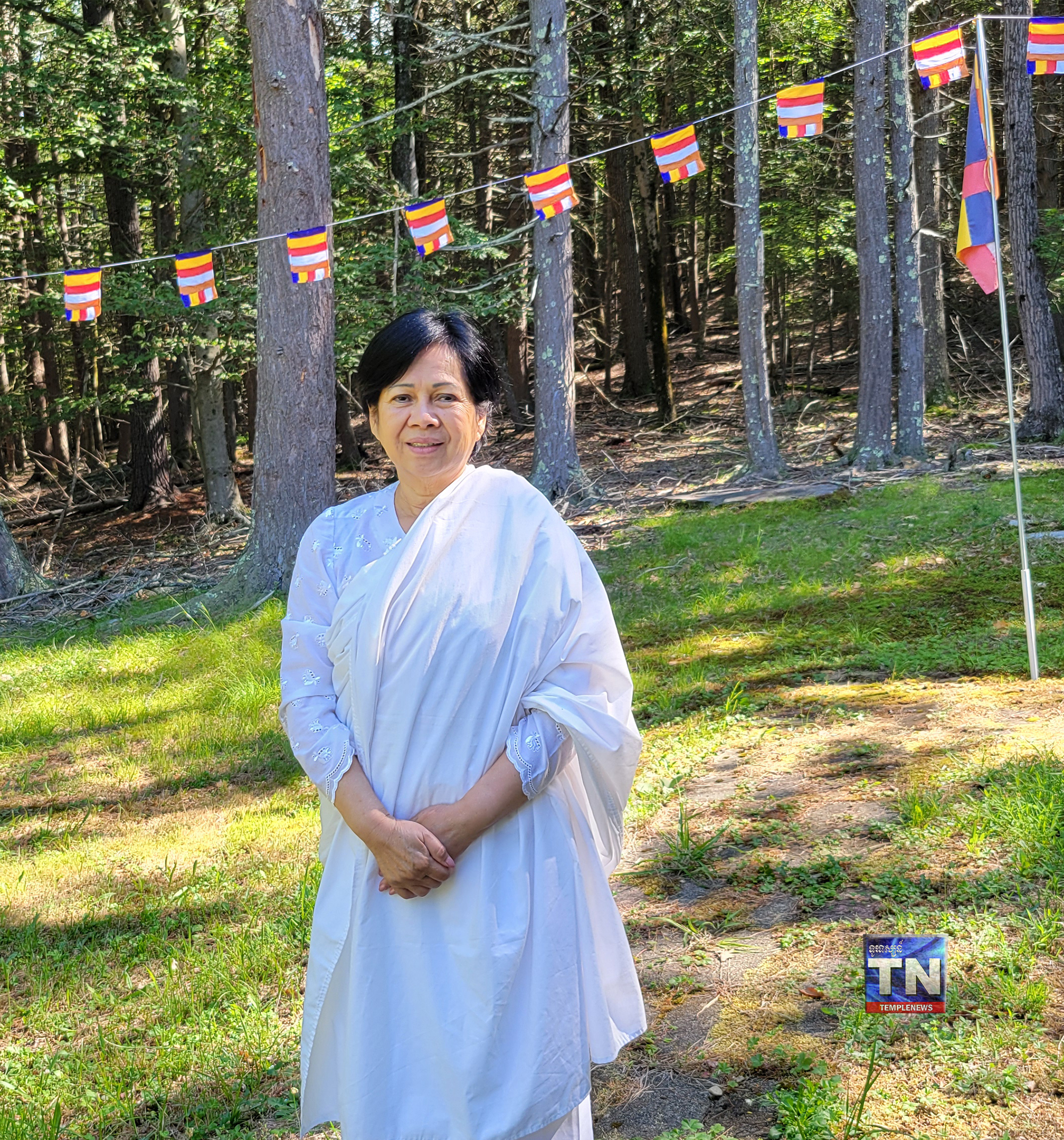
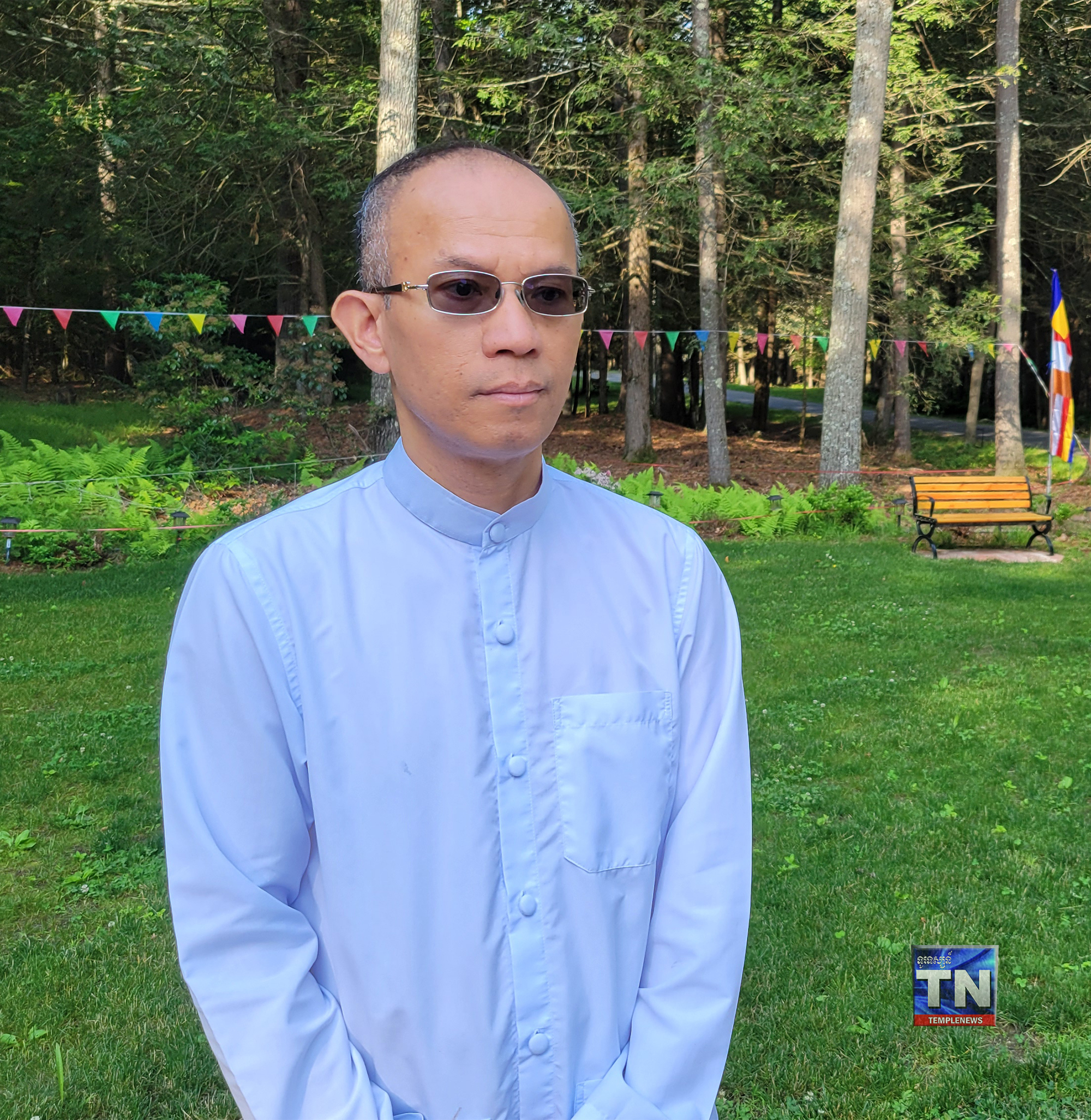
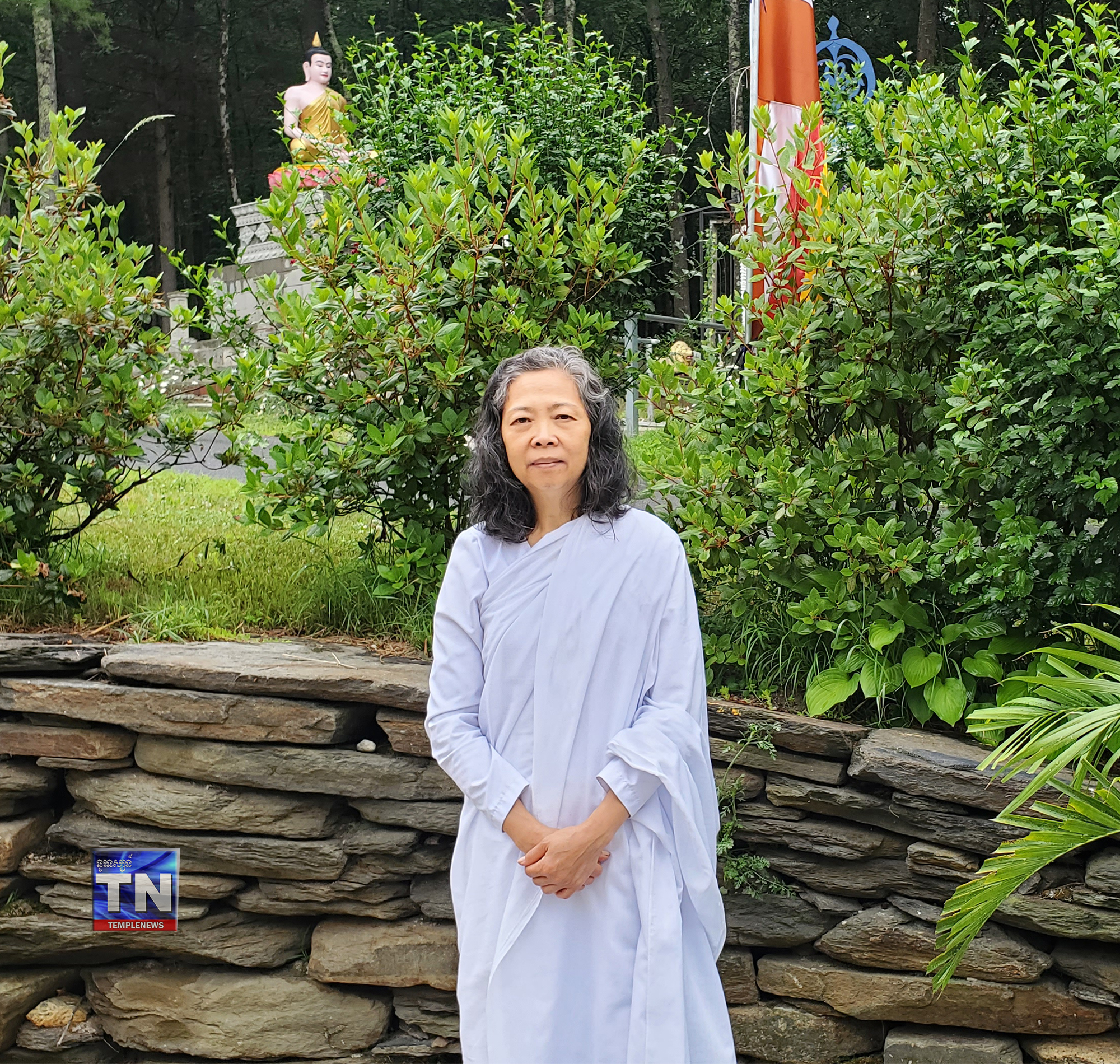
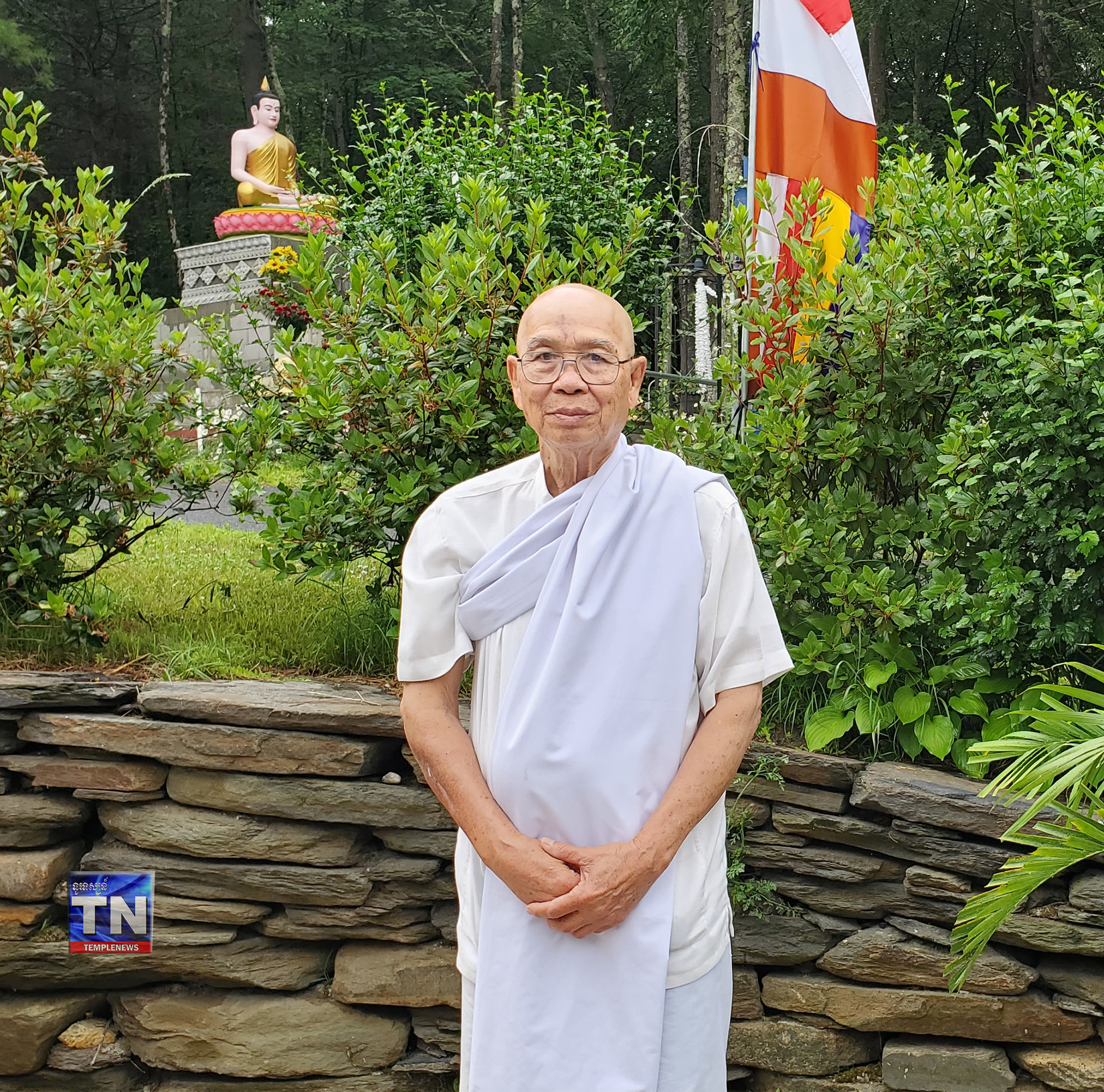
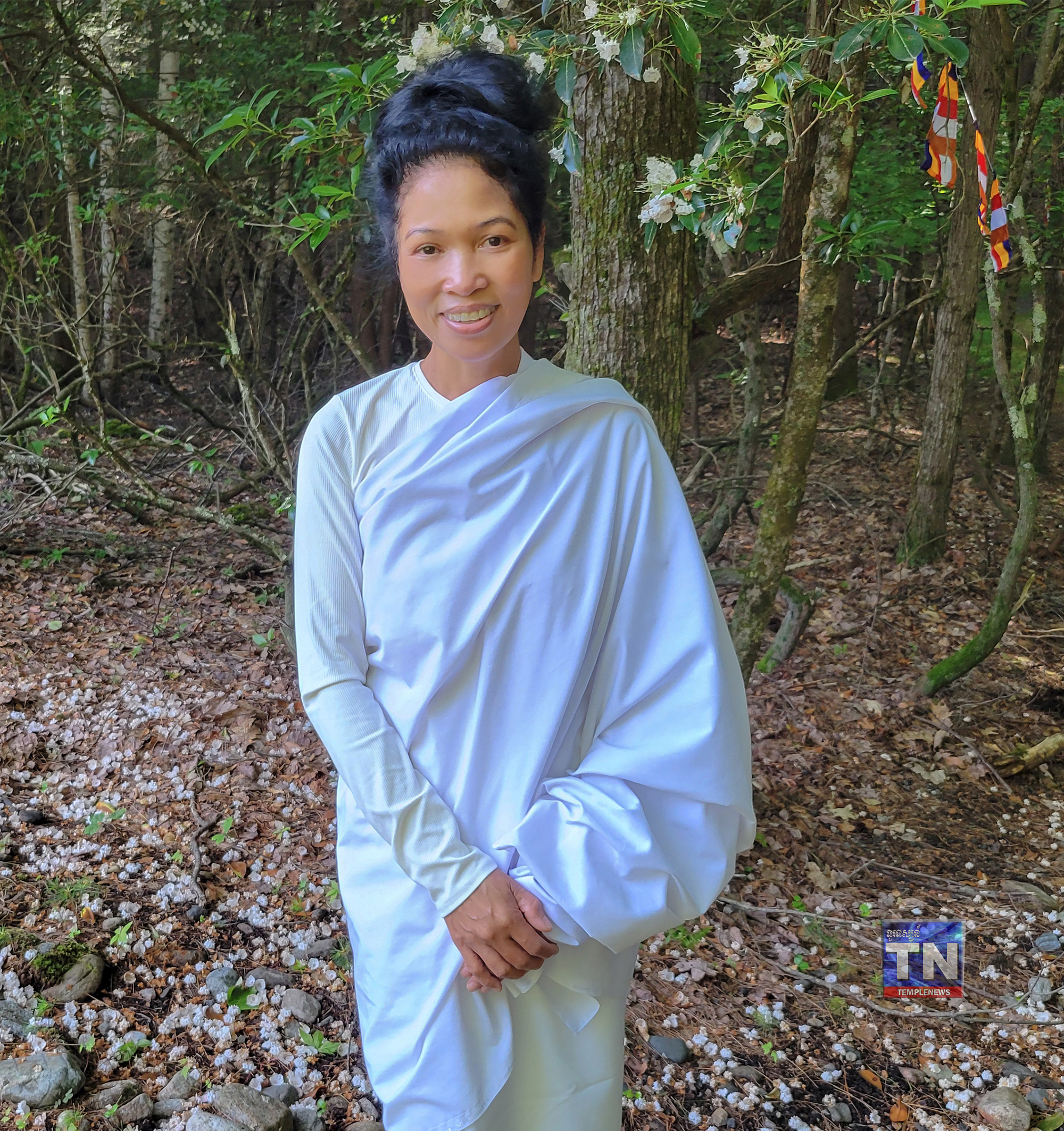
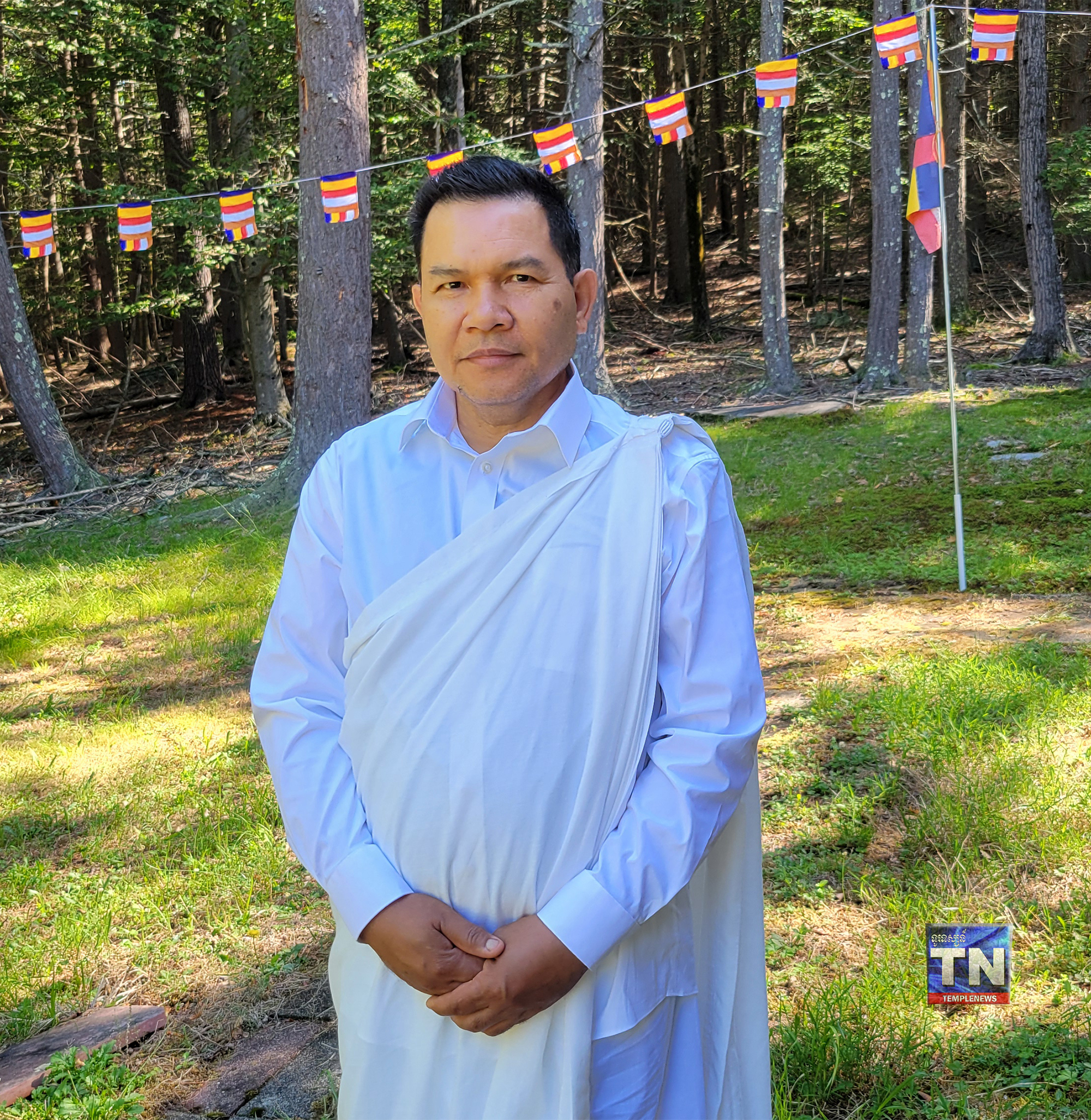
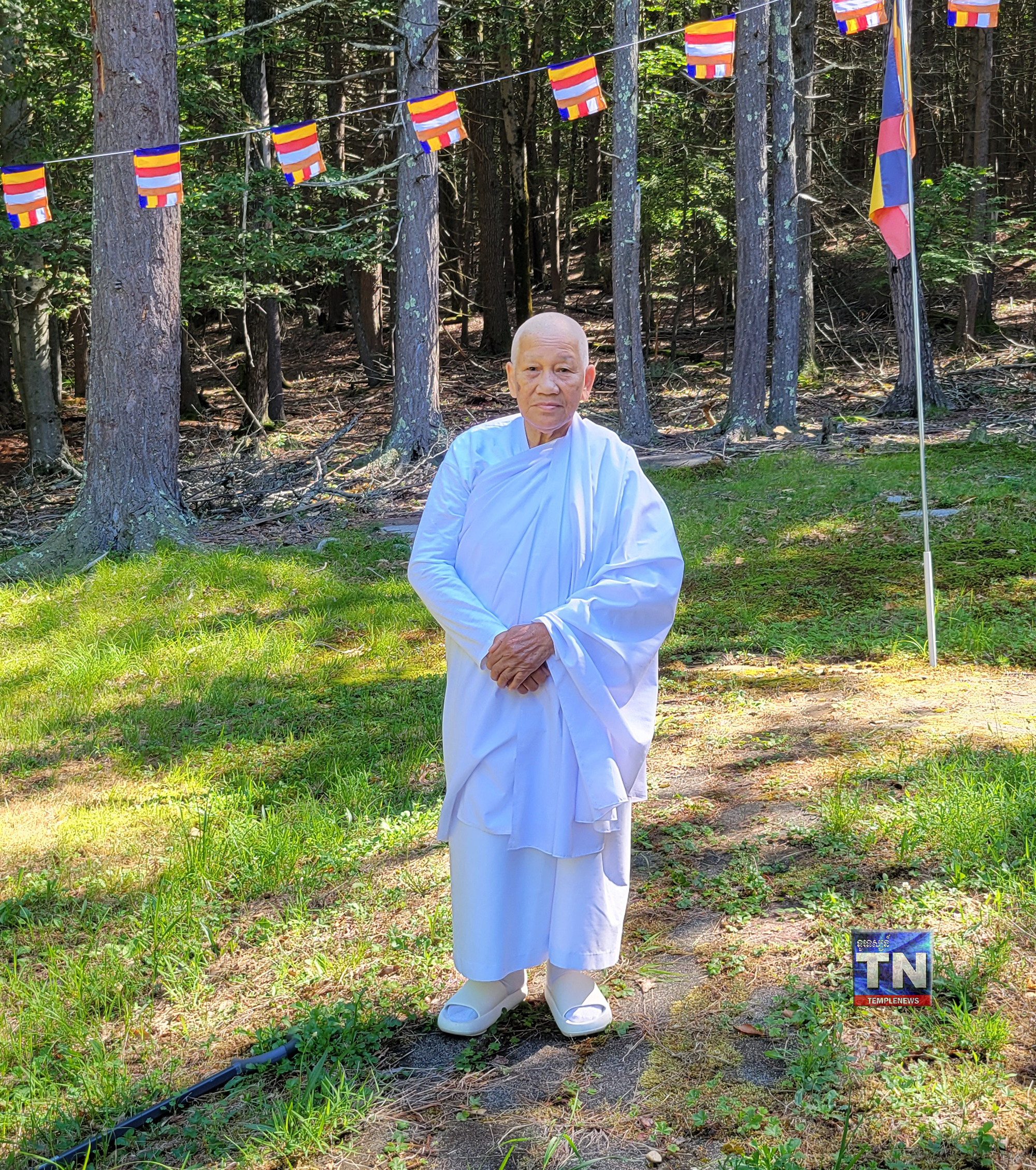
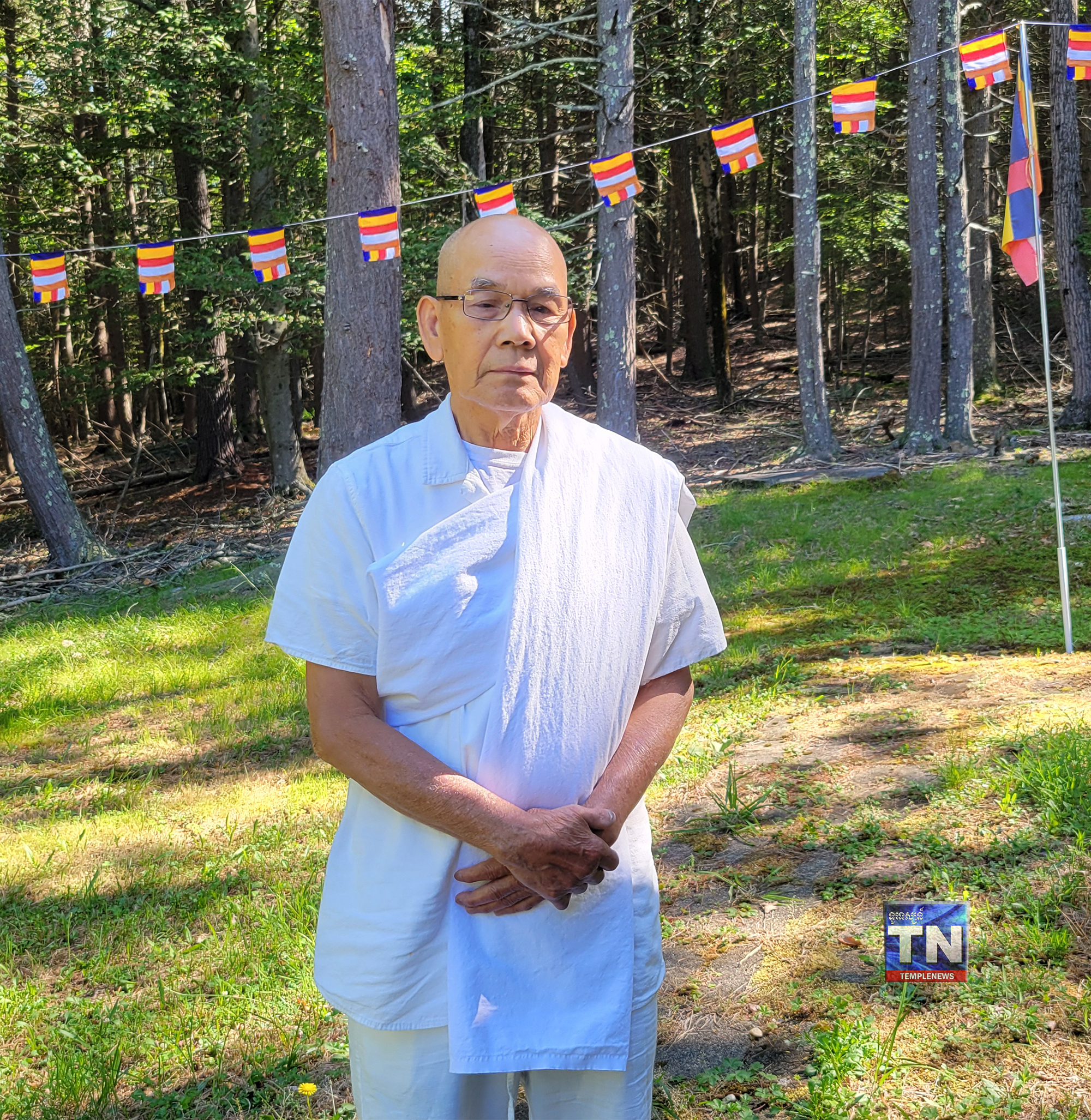
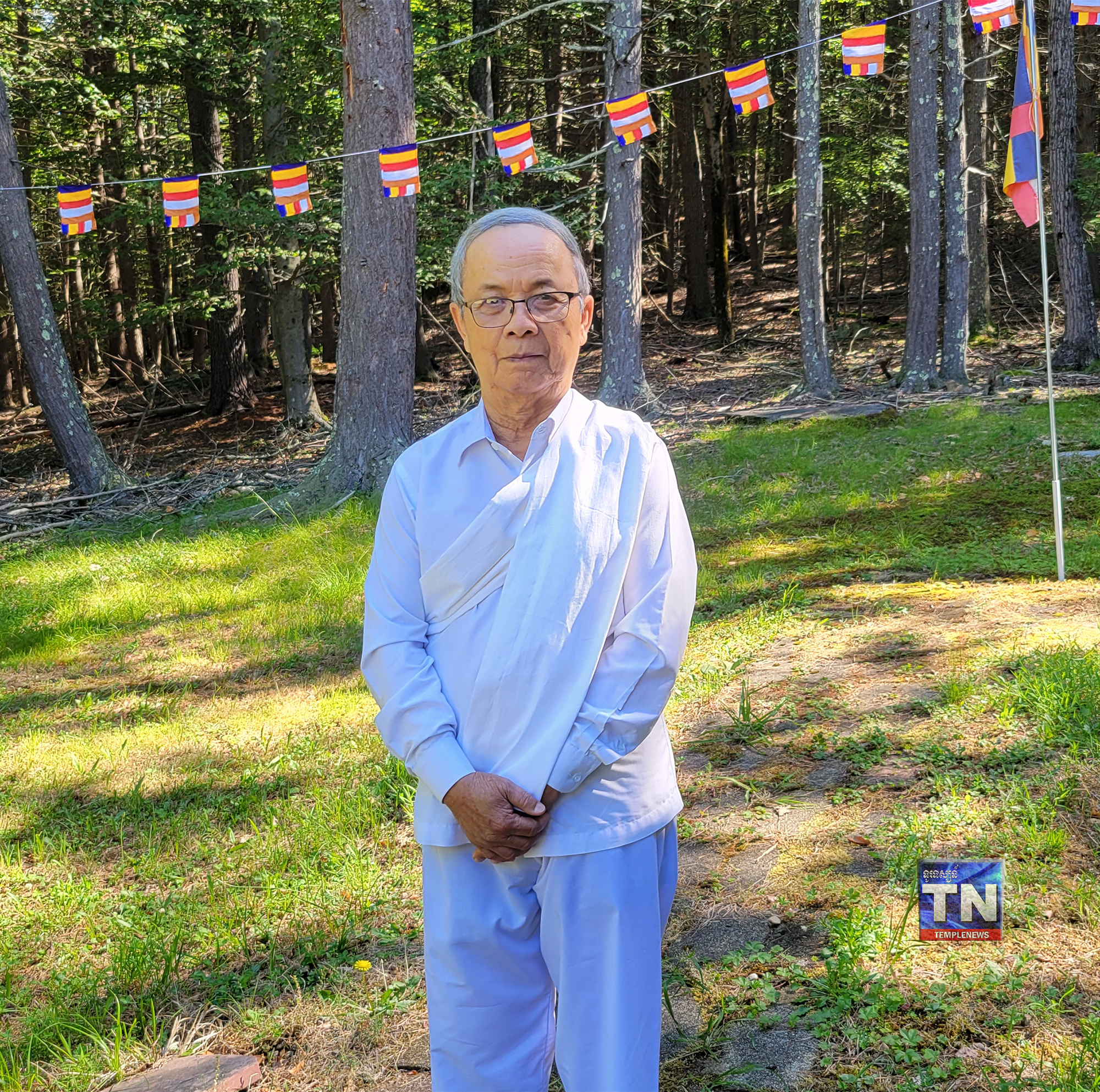
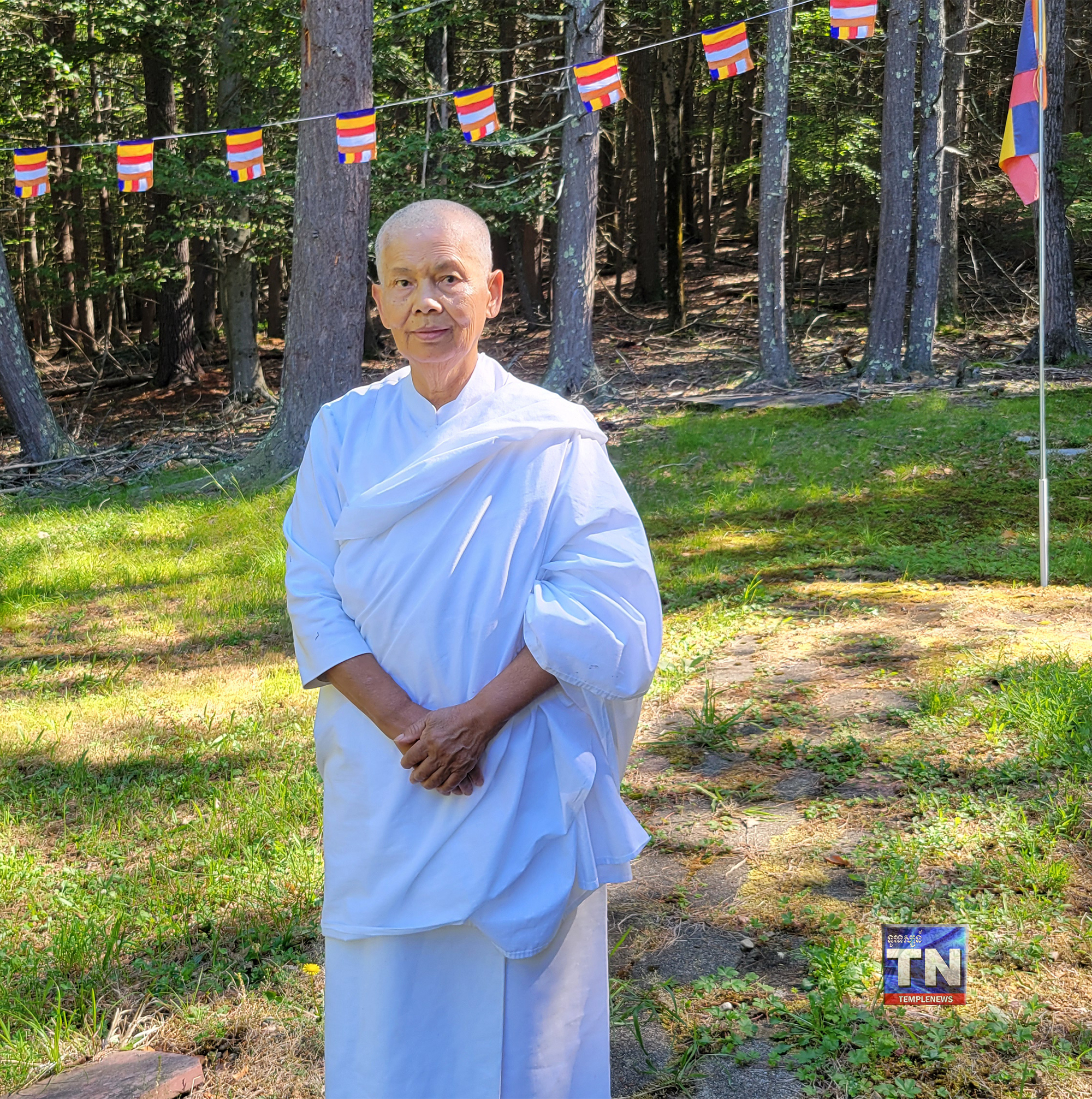
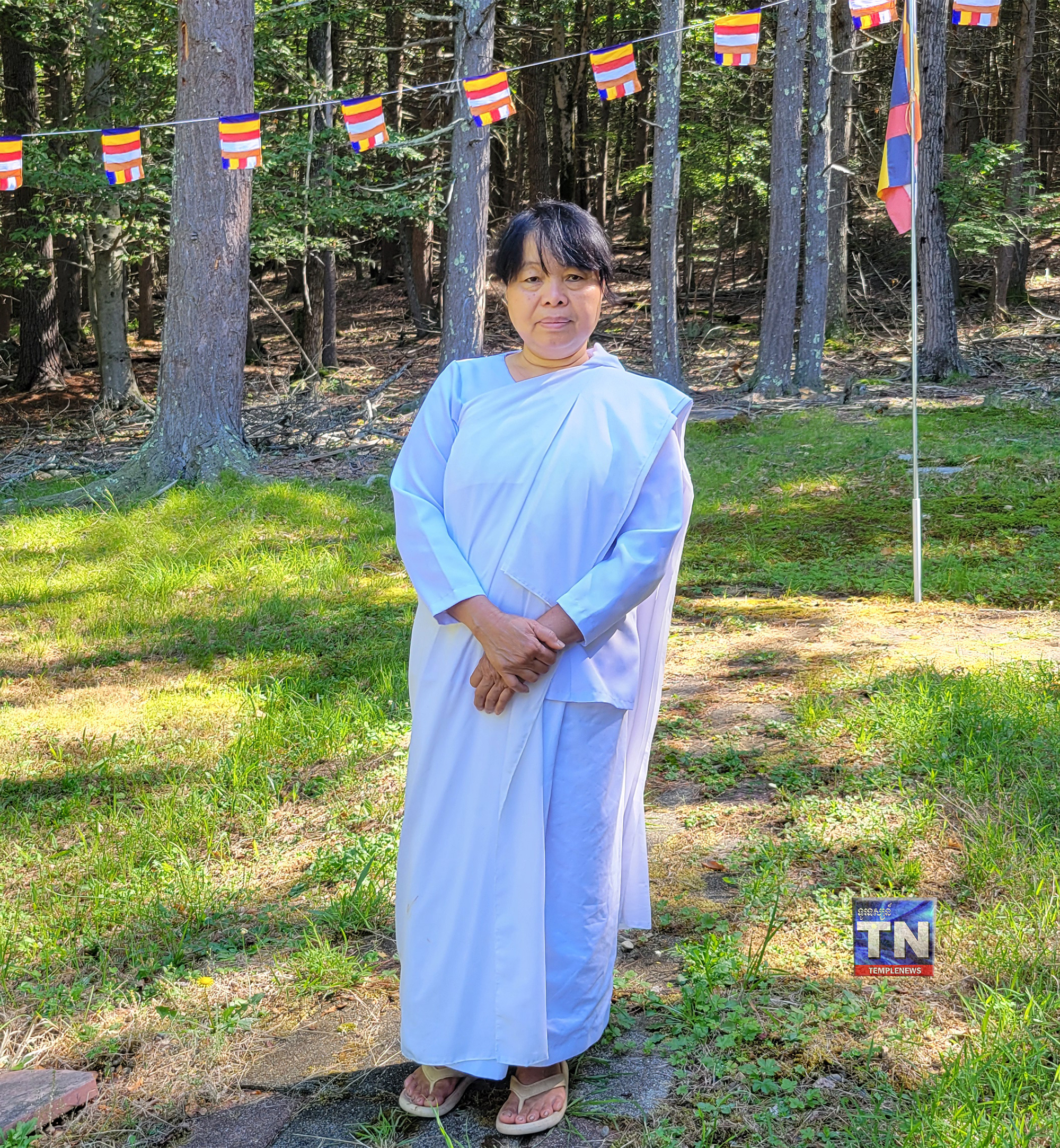
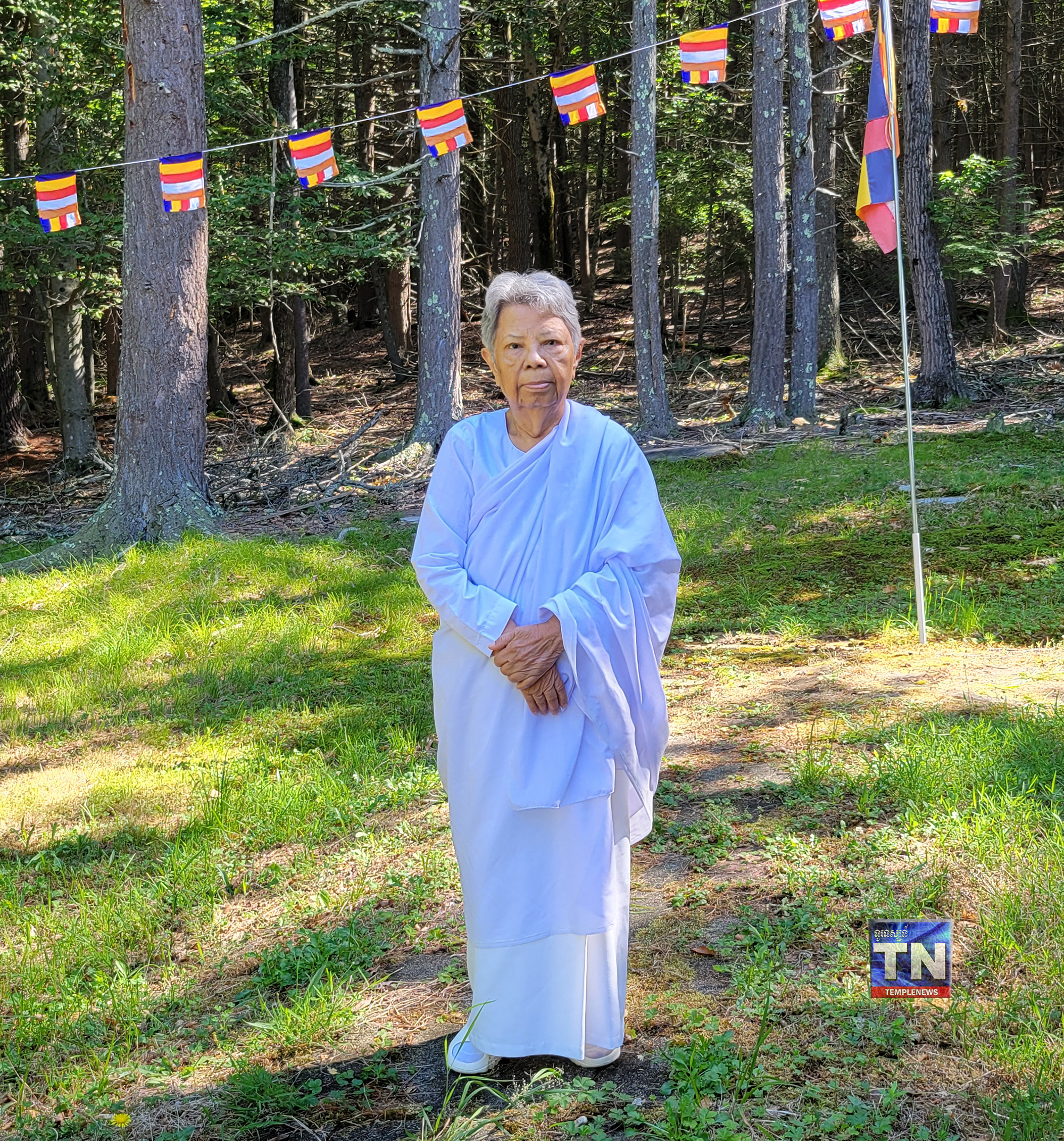
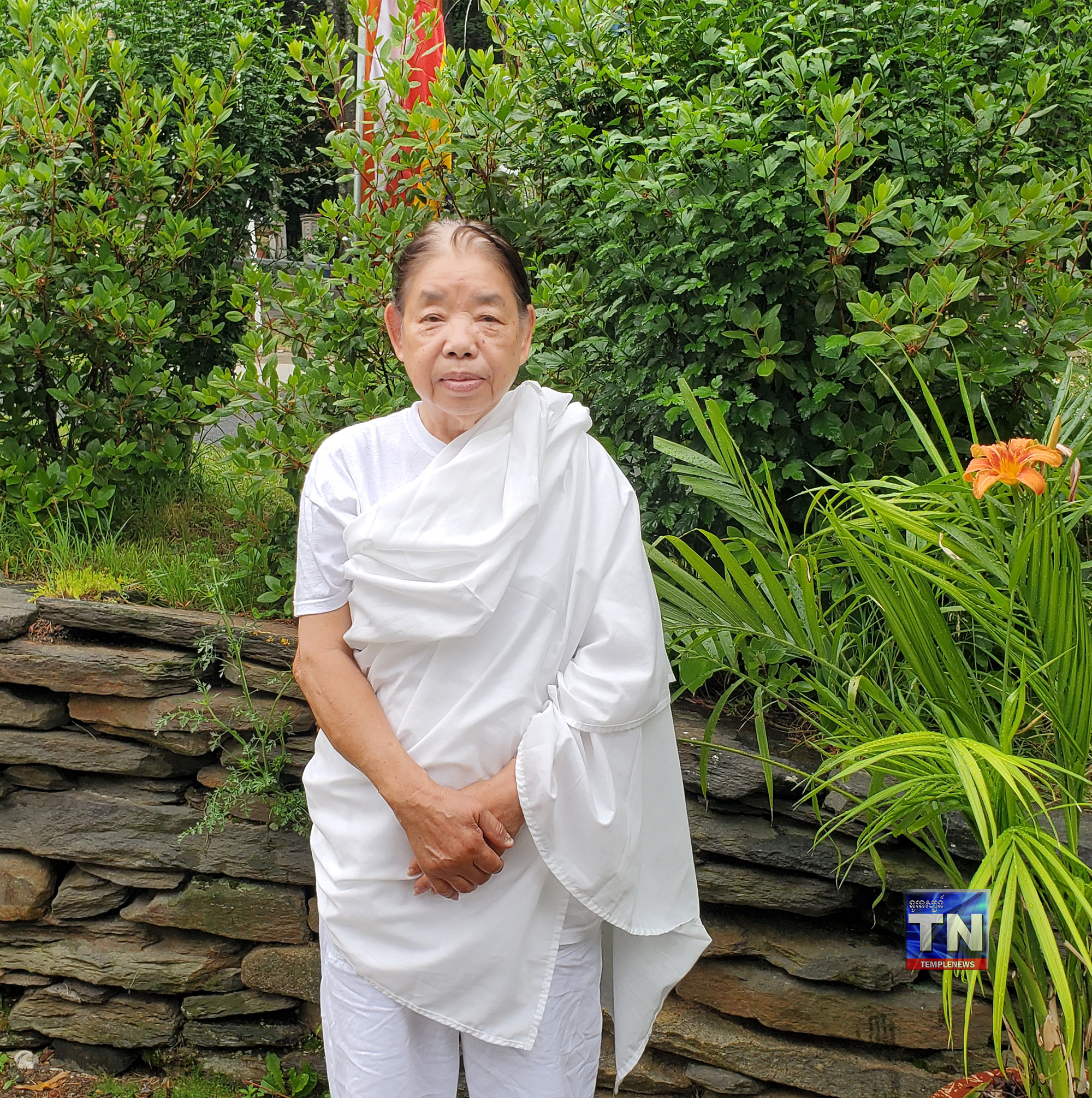
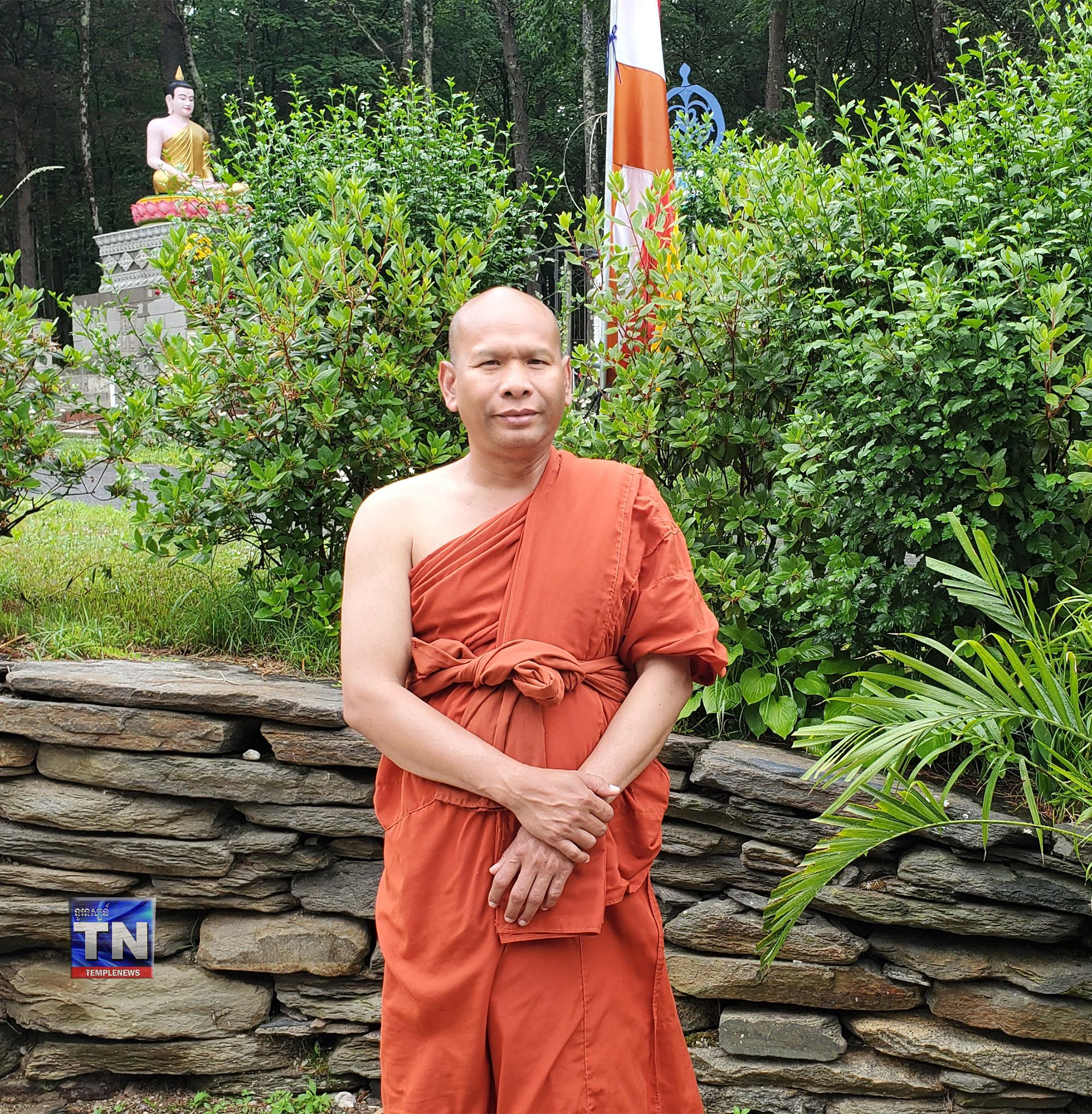
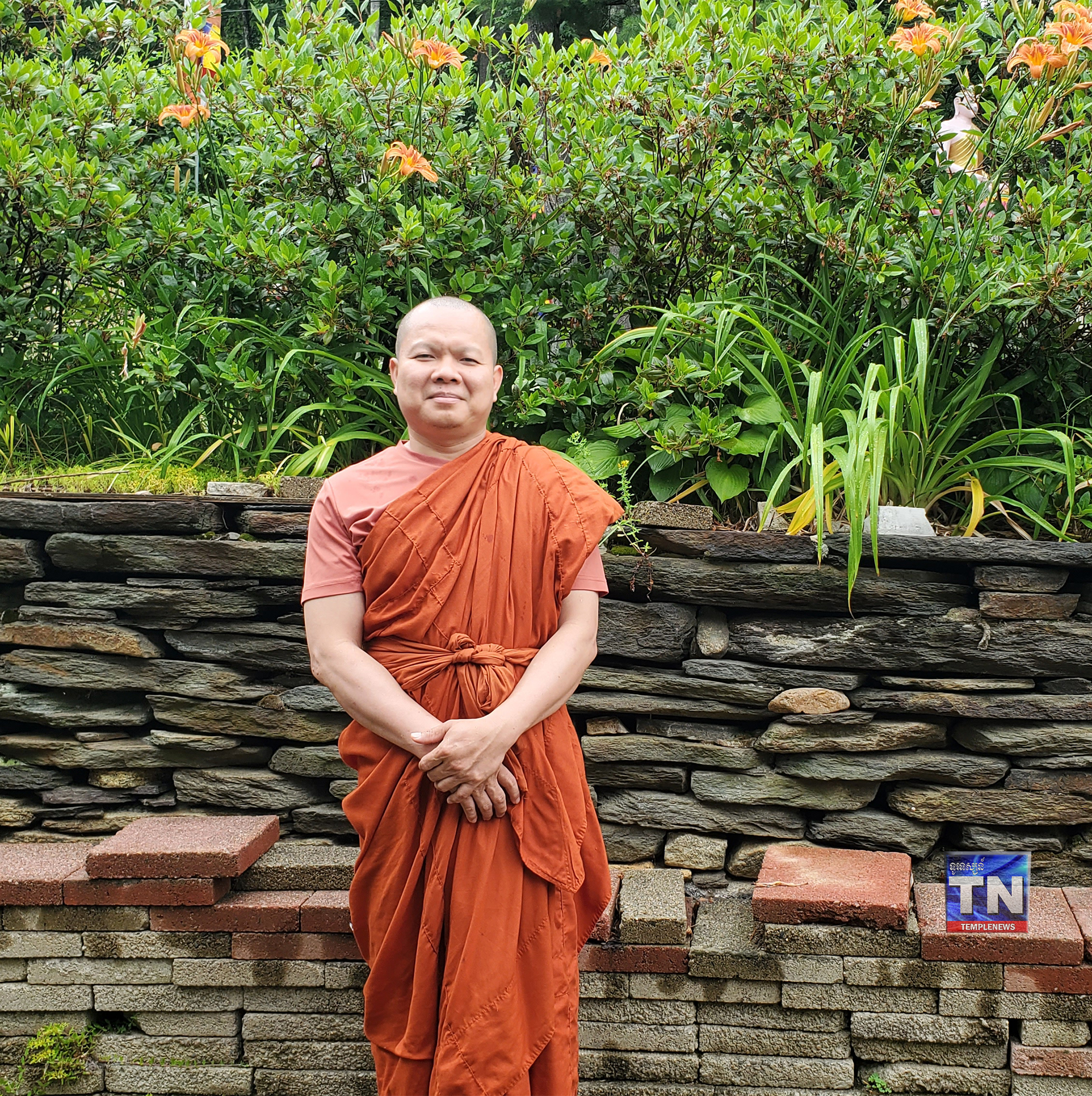
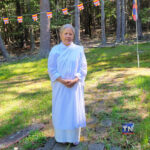
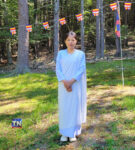
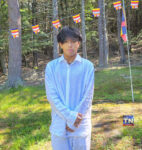
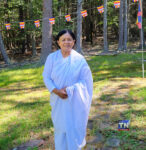
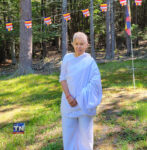
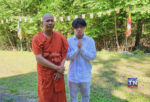
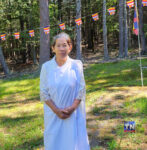
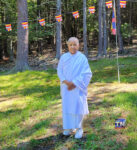
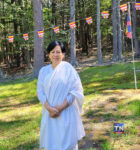
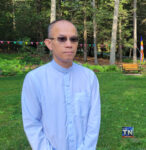
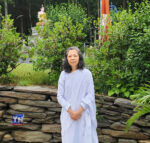
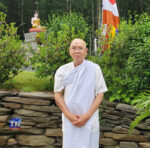
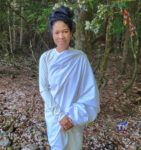
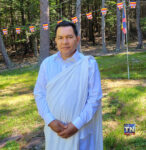
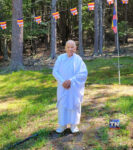
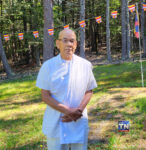
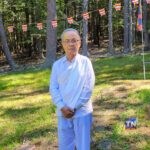
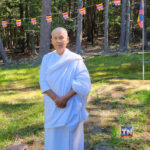
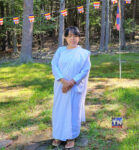
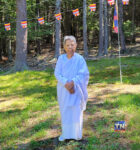
The 2570 Closing Meditation Retreat Ceremony on July 1, 2570/2026
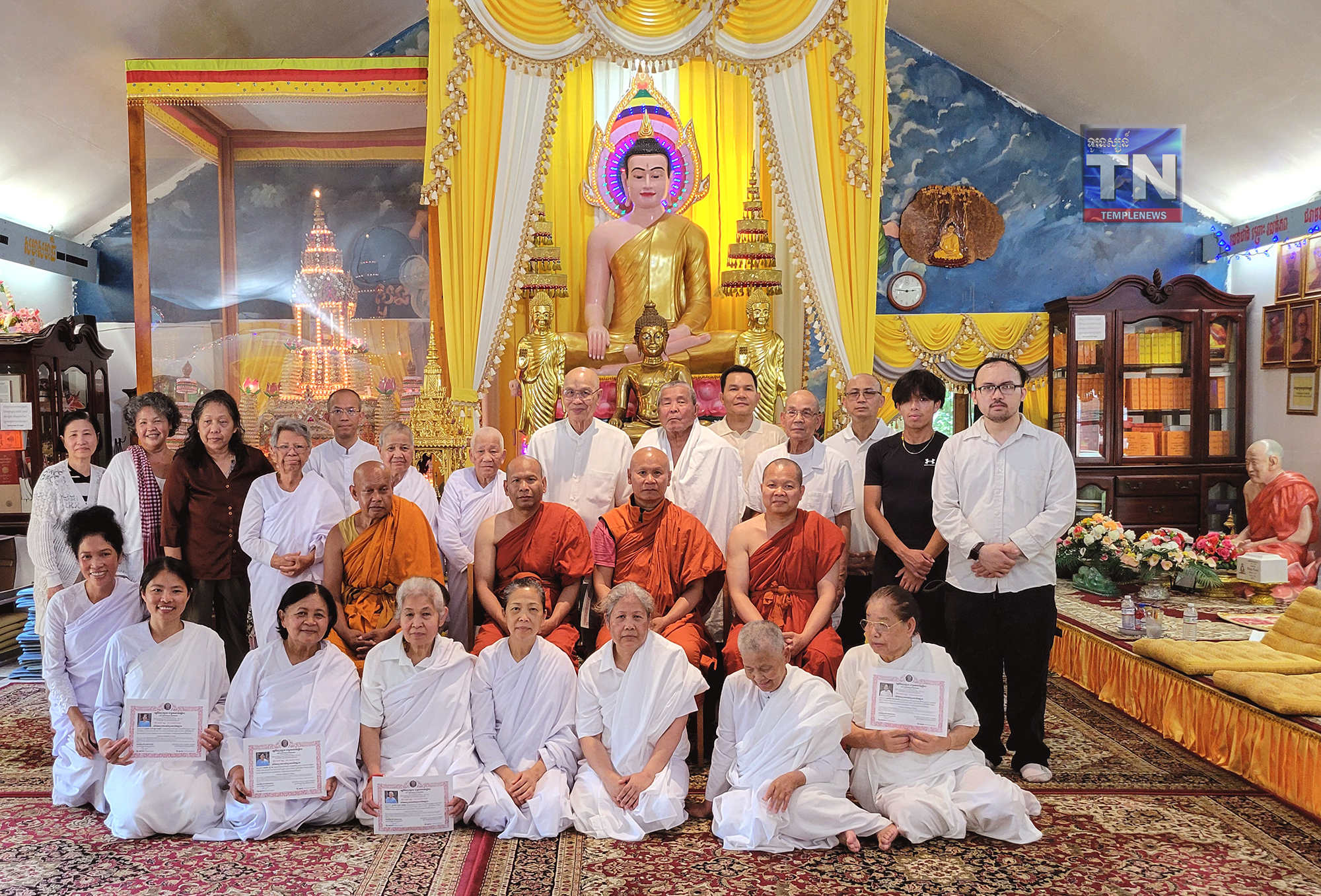
ពិធីបិទវគ្គសិក្សាសមាធិកម្មដ្ឋាន ប្រចាំពុទ្ធសករាជ ២៥៧០ ក្នុងឱកាសបើកវគ្គបង្រៀនសមាធិកម្មដ្ឋានរយៈពេលចំនួន ១០ថ្ងៃ ក្រោមអធិបតីភាព
ព្រះធម្មាចារ្យ ពុទ្ធសត្ថា គ្រូសមាធិកម្មដ្ឋាន និងជាអតីតព្រះចៅអធិការវត្ដពុទ្ធត្ថេរារាម ខ្នារធ្នង់ ហៅវត្ដខ្នារធ្នង់ ស្ថិតនៅភូមិថ្នល់តាសិត ឃុំគោកធ្លកក្រោម ស្រុកជីក្រែង ខេត្ដសៀមរាប ព្រះរាជាណាចក្រកម្ពុជា និង ព្រះធម្មាចារ្យ ឥន្ទជោតោ គ្រូសមាធិកម្មដ្ឋាន និងជាព្រះចៅអធិការវត្ដគិរីវង្សាបុប្ផារាម អាស្រមសមាធិសន្ដិភាព ប្រារព្ធនៅវត្ដគិរីវង្សាបុប្ផារាម អាស្រមសមាធិសន្ដិភាព ទីក្រុងឡេវវើរ៉េត រដ្ឋម៉ាសាឈូសិត្ដស៍ សហរដ្ឋអាមេរិក នាថ្ងៃពុធ ២រោច ខែបឋមាសាឍ ឆ្នាំមមី អដ្ឋស័ក ពុទ្ធសករាជ ២៥៧០ ត្រូវនឹងថ្ងៃទី០១ ខែកក្កដា គ្រិស្ដសករាជ ២០២៦។ វគ្គសិក្សាសមាធិកម្មដ្ឋានបានប្រព្រឹត្ដឡើងនៅថ្ងៃសៅរ៍ ៦កើត ដល់ ថ្ងៃពុធ ២រោច ខែបឋមាសាឍ ពុទ្ធសករាជ ២៥៧០ ត្រូវនឹងថ្ងៃទី២០ ខែមិថុនា ដល់ ថ្ងៃទី០១ ខែកក្កដា គ្រិស្ដសករាជ ២០២៦ ។
The 2570 Closing Meditation Retreat Ceremony on occasion of the 10-day Meditation Retreat presided by Bhikkhu Buddhasatthâ, Meditation Instructor, Former Abbot of Wat Buddhatheraram Khnar Thnong known as Wat Khnar Thnong in Thnoltasit village, Koak Thloak Krom commune, Jikreng district, Siem Reap province, Kingdom of Cambodia and Bhikkhu Indajoto, Meditation Instructor, Abbot of Wat Kiryvongsa Bopharam, the Peace Meditation Center, held at Wat Kiryvongsa Bopharam, the Peace Meditation Center, Leverett, Massachusetts United States of America on Wednesday the 2nd Waning Moon of Pathamasadh, Buddhist Era 2570 equivalent to July 1, A.D.2026. The 10-day Meditation Retreat took place on June 20 – July 1, B.E.2570 A.D.2026.
ពិធីបុណ្យឈាបនកិច្ចឧបាសក ថាច់ រ៉ាង ជន្មាយុ ៨៦ឆ្នាំ ប្រារព្ធនៅថ្ងៃ ១៣ ដល់ ១៤រោច ខែបឋមាសាឍ ឆ្នាំមមី អដ្ឋស័ក ពុទ្ធសករាជ ២៥៧០ ត្រូវនឹងថ្ងៃទី១២ ដល់ ១៣ ខែកក្កដា គ្រិស្ដសករាជ ២០២៦ នៅវត្ដពន្លឺពុទ្ធចក្រ ទីក្រុងឡូវ៉េល រដ្ឋម៉ាសាឈូសិត្ដស៍
*ថ្ងៃអាទិត្យ ១៣រោច ខែឆ្នាំដដែល វេលាម៉ោង ២រសៀល រំកិលសពចូលវត្ដ ដើម្បីតម្កល់ទុកសម្រាប់ប្រារព្ធពិធីបុណ្យឈាបនកិច្ចតាមព្រះពុទ្ធសាសនាទំនៀមទម្លាប់ប្រពៃណីខ្មែរ
*ថ្ងៃចន្ទ ១៤រោច ថ្ងៃកោរ ខែឆ្នាំដដែល ដង្ហែសពទៅឈាបនដ្ឋានម៉ែរីម៉ាក 10 Henry Clay Drive, Merrimack, NH ដើម្បីបូជាភ្លើង ។
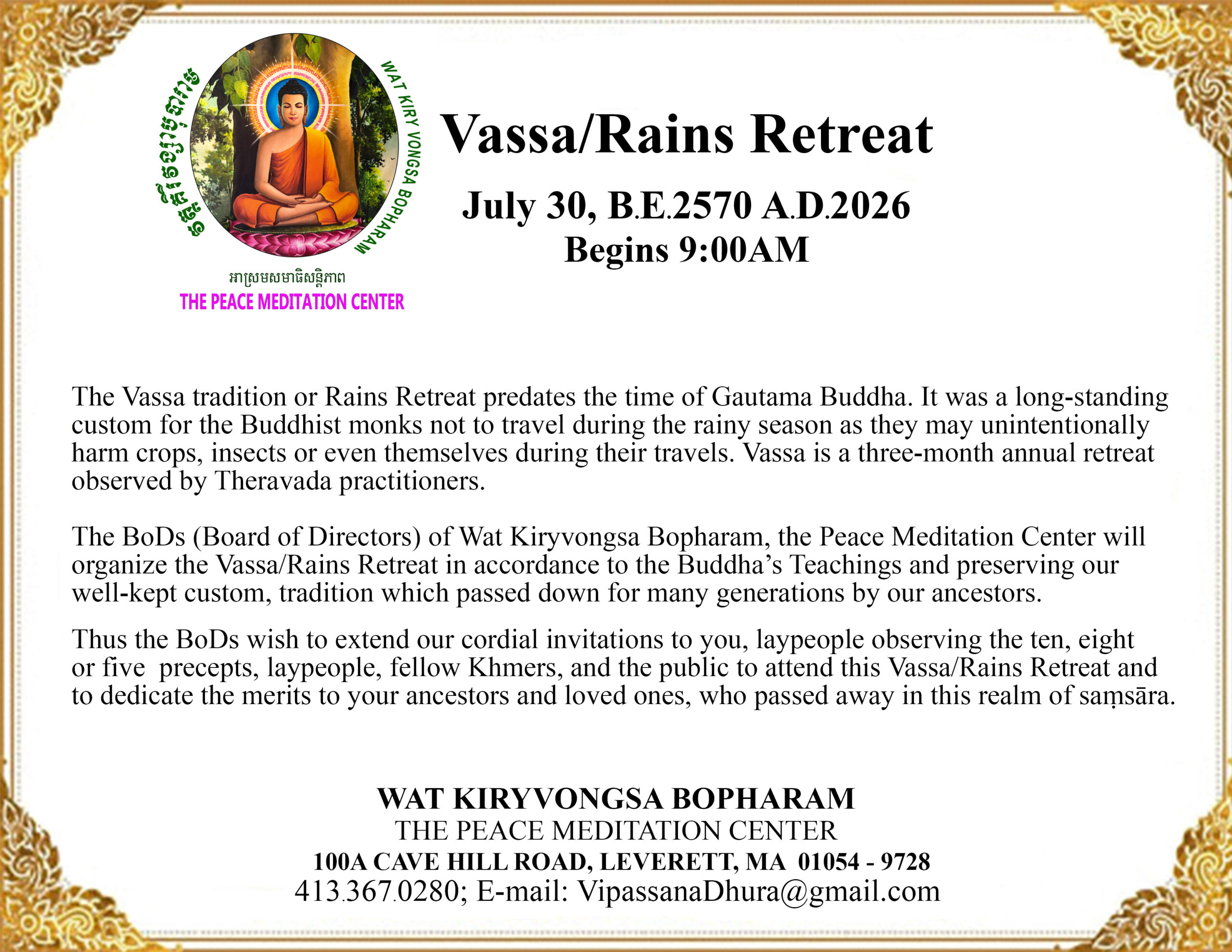
Vassa or Rains Retreat at Wat Kiryvongsa Bopharam, the Peace Meditation Center on July 30, 2570/2026
ពិធីបុណ្យចូលព្រះវស្សា នៅវត្ដគិរីវង្សាបុប្ផារាម អាស្រមសមាធិសន្ដិភាព នាថ្ងៃទី៣០ កក្កដា ២៥៧០/២០២៦
ព្រះធម្មវិសេសទេសនា សម្ដែងដោយព្រះធម្មាចារ្យ ពុទ្ធសត្ថា គ្រូសមាធិកម្មដ្ឋាន និងជាអតីតព្រះចៅអធិការវត្ដពុទ្ធត្ថេរារាម ហៅវត្ដខ្នារធ្នង់ ក្នុងឱកាសបើកវគ្គសិក្សាសមាធិកម្មដ្ឋាន ក្នុងរយៈពេលចំនួន ១០ថ្ងៃ ប្រារព្ធនៅវត្ដគិរីវង្សាបុប្ផារាម អាស្រមសមាធិសន្ដិភាព ទីក្រុងឡេវវើរ៉េត រដ្ឋម៉ាសាឈូសិត្ដស៍ សហរដ្ឋអាមេរិក នៅថ្ងៃសុក្រ ១៥កើត ខែបឋមាសាឍ ឆ្នាំមមី អដ្ឋស័ក ពុទ្ធសករាជ ២៥៧០ ត្រូវនឹងថ្ងៃទី២៩ ខែមិថុនា គ្រិស្ដសករាជ ២០២៦
Dhamma Talk giving by Bhikkhu Buddhasatthâ, Meditation Instructor and former Abbot of Wat Buddhatheram Khnar Thnong, also known as Wat Khnar Thnong, Jikreng district, Siem Reap province, Kingdom of Cambodia, on occasion of the 10-day Meditation Retreat, held at Wat Kiryvongsa Bopharam, the Peace Meditation Center, Leverett, Massachusetts, United States of America on Friday the 15th Waxing Moon of Pathamasadh Buddhist Era 2570 equivalent to June 29, A.D.2026
ពិធីបកសករាជ នៅវត្ដគិរីវង្សាបុប្ផារាម អាស្រមសមាធិសន្ដិភាព នៅថ្ងៃអាទិត្យ១៤កើត ខែបឋមាសាឍ ឆ្នាំមមី អដ្ឋស័ក ពុទ្ធសករាជ ២៥៧០ ត្រូវនឹងថ្ងៃទី២៨ ខែមិថុនា គ្រិស្ដសករាជ ២០២៦
អាចារ្យក្មេង គិម វរានន្ទ និយាយអំពីការប្រគេនចង្ហាន់ដល់ភិក្ខុសង្ឃដើម្បីឧទ្ទិសផលបុណ្យចំពោះទៅអ្នកដែលធ្វើមរណកាលទៅហើយ។
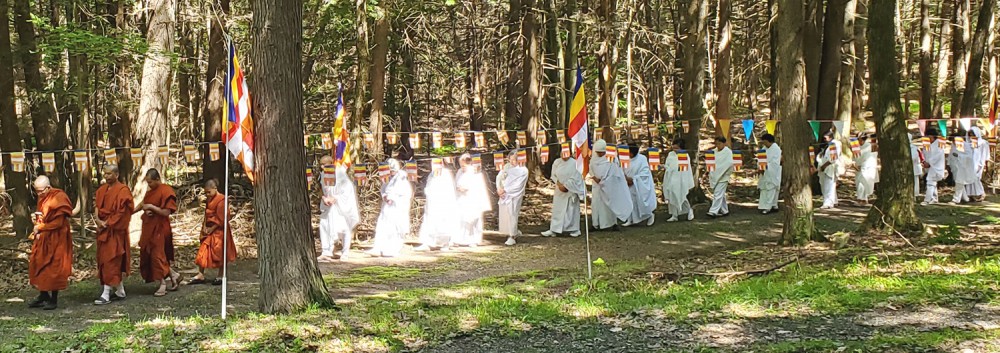
ពិធីរំកិលព្រះធាតុព្រះធម្មាចារ្យ តេជប្បញ្ញោ គ្រូសមាធិកម្មដ្ឋាន និងជាអតីតព្រះចៅអធិការវត្ដគិរីវង្សាបុប្ផារាម អាស្រមសមាធិសន្ដិភាព ប្រារព្ធនៅវត្ដគិរីវង្សាបុប្ផារាម អាស្រមសមាធិសន្ដិភាព នាថ្ងៃសៅរ៍ ១៣កើត ខែបឋមាសាឍ ឆ្នាំមមី អដ្ឋស័ក ពុទ្ធសករាជ ២៥៧០ ត្រូវនឹងថ្ងៃទី២៧ ខែមិថុនា គ្រិស្ដសករាជ ២០២៦ ក្រោមអធិបតីភាពព្រះធម្មាចារ្យ ពុទ្ធសត្ថា គ្រូសមាធិកម្មដ្ឋាន និង ព្រះធម្មាចារ្យ ឥន្នជោតោ គ្រូសមាធិកម្មដ្ឋាន
Bhikkhu Dejapanno’s Transferring of Cremated Remains Service, Meditation Instructor and Former Abbot of Wat Kiryvongsa Bopharam, the Peace Meditation Center, on Saturday the 13th Waxing Moon of Pathamasadh Buddhist Era 2570 equivalent to June 27, A.D.2026, presided by Bhikkhu BuddhasatthâMeditation Instructor and Bhikkhu Indajoto, Meditation Instructor
សេចក្ដីប្រកាសព័ត៌មាន ស្ដីពី ការបិទវគ្គសិក្សាសមាធិកម្មដ្ឋាន នាថ្ងៃទី០1 ខែកក្កដា ពុទ្ធសករាជ ២៥៧០ គ្រិស្ដសករាជ ២០២៦
Download Press Release: Khmer PR || English PR
ព្រះអង្គគ្រូ ពុទ្ធសត្ថា សម្ដែងអំពីតួសីល ដើម្បីជាជំនួយដល់យោគាវចរក្នុងការបដិបត្តិសមាធិកម្មដ្ឋាន
ព្រះធម្មវិសេសទេសនា សម្ដែងដោយព្រះធម្មាចារ្យ ពុទ្ធសត្ថា គ្រូសមាធិកម្មដ្ឋាន និងជាអតីតព្រះចៅអធិការវត្ដពុទ្ធត្ថេរារាម ហៅវត្ដខ្នារធ្នង់ ក្នុងឱកាសបើកវគ្គសិក្សាសមាធិកម្មដ្ឋាន ក្នុងរយៈពេលចំនួន ១០ថ្ងៃ ប្រារព្ធនៅវត្ដគិរីវង្សាបុប្ផារាម អាស្រមសមាធិសន្ដិភាព ទីក្រុងឡេវវើរ៉េត រដ្ឋម៉ាសាឈូសិត្ដស៍ សហរដ្ឋអាមេរិក នៅថ្ងៃសុក្រ ១២កើត ខែបឋមាសាឍ ឆ្នាំមមី អដ្ឋស័ក ពុទ្ធសករាជ ២៥៧០ ត្រូវនឹងថ្ងៃទី២៦ ខែមិថុនា គ្រិស្ដសករាជ ២០២៦
Dhamma Talk giving by Bhikkhu Buddhasatthâ, Meditation Instructor and former Abbot of Wat Buddhatheram Khnar Thnong, also known as Wat Khnar Thnong, Jikreng district, Siem Reap province, Kingdom of Cambodia, on occasion of the 10-day Meditation Retreat, held at Wat Kiryvongsa Bopharam, the Peace Meditation Center, Leverett, Massachusetts, United States of America on Friday the 12th Waxing Moon of Pathamasadh Buddhist Era 2570 equivalent to June 26, A.D.2026
វគ្គសិក្សាសមាធិកម្មដ្ឋានក្នុងរយៈពេល ១០ថ្ងៃ ក្រោមអធិបតីភាពព្រះធម្មាចារ្យ ពុទ្ធសត្ថា គ្រូសមាធិកម្មដ្ឋាន និង ព្រះធម្មាចារ្យ ឥន្ទជោតោ គ្រូសមាធិកម្មដ្ឋាន នៅវត្ដគិរីវង្សាបុប្ផារាម អាស្រមសមាធិសន្ដិភាព ទីក្រុងឡេវវើរ៉េត រដ្ឋម៉ាសាឈូសិត្ដស៍ នាថ្ងៃពុធ ១១កើត ខែបឋមាសាឍ ឆ្នាំមមី អដ្ឋស័ក ពុទ្ធសករាជ ២៥៧០ ត្រូវនឹងថ្ងៃទី២៥ ខែមិថុនា គ្រិស្ដសករាជ ២០២៦
Lesson on Vipassanābhūmi (The Planes of Insight) and The 80 Kammapathas (Courses of Action) on occasion of the 10-Day Meditation Retreat presiding by Bhikkhu Buddhasatthâ, Meditation instructor, and Bhikkhu Indajoto, Meditation instructor, at Wat Kiryvongsa Bopharam, the Peace Meditation Center in Leverett, Massachusetts on Wednesday the 11th Waxing Moon of Pathamasadh, Year of the Horse, Buddhist Era 2570 equivalent to June 25, A.D.2026
កម្មបថ ៨០ ជារបង (ឬកញ្ចក់) សម្រាប់ភិក្ខុសង្ឃ ឧបាសក ឧបាសិកា ទាយក ទាយិកា និង ពុទ្ធបរិស័ទទាំងឡាយ មិនមែនសម្រាប់តែគ្រហត្ថទេ ។
The Kammapatha refers to the pathways or courses of moral action — is a universal Buddhist teaching meant for all Buddhists, including laypeople, bhikkhus, and samaneras. While monastics must adhere to highly specific rules like the 10 Precepts for Samaneras or the 227 Patimokkha rules for Bhikkhus, the Kammapatha serves as the baseline psychological and ethical guide for everyone to understand the law of kamma.
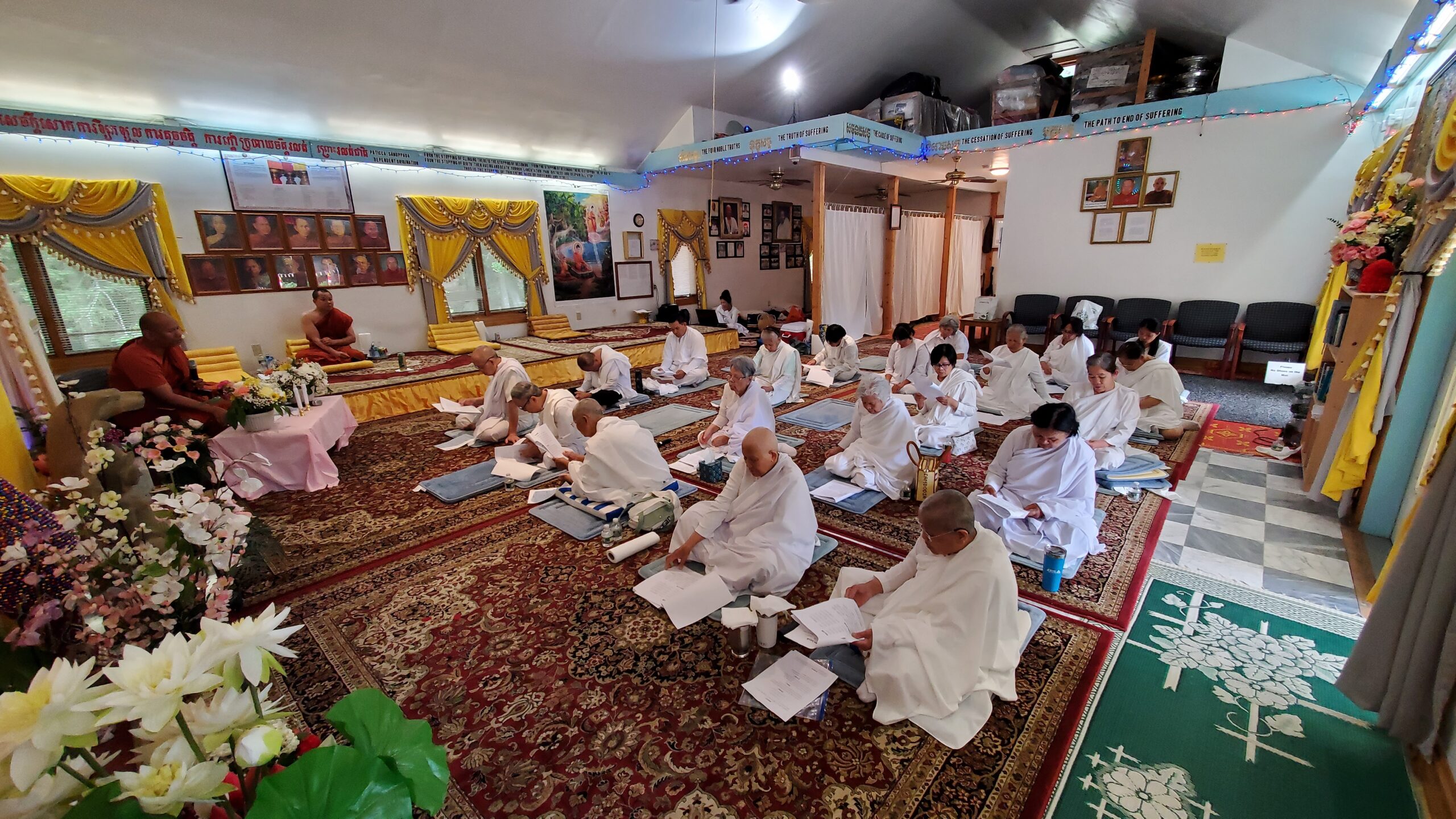
ចំណាប់អារម្មណ៍របស់ព្រះធម្មាចារ្យ ពុទ្ធសត្ថា គ្រូសមាធិកម្មដ្ឋាន និងជាអតីតព្រះចៅអធិការវត្ដពុទ្ធត្ថេរារាម ហៅវត្ដខ្នារធ្នង់ ក្នុងឱកាសបើកវគ្គសិក្សាសមាធិកម្មដ្ឋាន ក្នុងរយៈពេលចំនួន ១០ថ្ងៃ ប្រារព្ធនៅវត្ដគិរីវង្សាបុប្ផារាម អាស្រមសមាធិសន្ដិភាព ទីក្រុងឡេវវើរ៉េត រដ្ឋម៉ាសាឈូសិត្ដស៍ សហរដ្ឋអាមេរិក នៅថ្ងៃព្រហស្បតិ៍ ១០កើត ខែបឋមាសាឍ ឆ្នាំមមី អដ្ឋស័ក ពុទ្ធសករាជ ២៥៧០ ត្រូវនឹងថ្ងៃទី២៤ ខែមិថុនា គ្រិស្ដសករាជ ២០២៦
ព្រះធម្មវិសេសទេសនា សម្ដែងដោយព្រះធម្មាចារ្យ ឥន្ទជោតោ គ្រូសមាធិកម្មដ្ឋាន និងជាព្រះចៅអធិការវត្ដគិរីវង្សាបុប្ផារាម អាស្រមសមាធិសន្ដិភាព ក្នុងឱកាសបើកវគ្គសិក្សាសមាធិកម្មដ្ឋាន ក្នុងរយៈពេលចំនួន ១០ថ្ងៃ ប្រារព្ធនៅវត្ដគិរីវង្សាបុប្ផារាម អាស្រមសមាធិសន្ដិភាព ទីក្រុងឡេវវើរ៉េត
រដ្ឋម៉ាសាឈូសិត្ដស៍ សហរដ្ឋអាមេរិក នៅថ្ងៃអង្គារ ៩កើត ខែបឋមាសាឍ ឆ្នាំមមី អដ្ឋស័ក ពុទ្ធសករាជ ២៥៧០ ត្រូវនឹងថ្ងៃទី២៣ ខែមិថុនា គ្រិស្ដសករាជ ២០២៦
Dhamma Talk giving by Bhikkhu Indajoto, Meditation Instructor, Abbot of Wat Kiryvongsa Bopharam, the Peace Meditation Center, on occasion of the 10-day Meditation Retreat, held at Wat Kiryvongsa Bopharam, the Peace Meditation Center, Leverett, Massachusetts, United States of America on Tuesday the 9th Waxing Moon of Pathamasadh Buddhist Era 2570 equivalent to June 23, A.D.2026
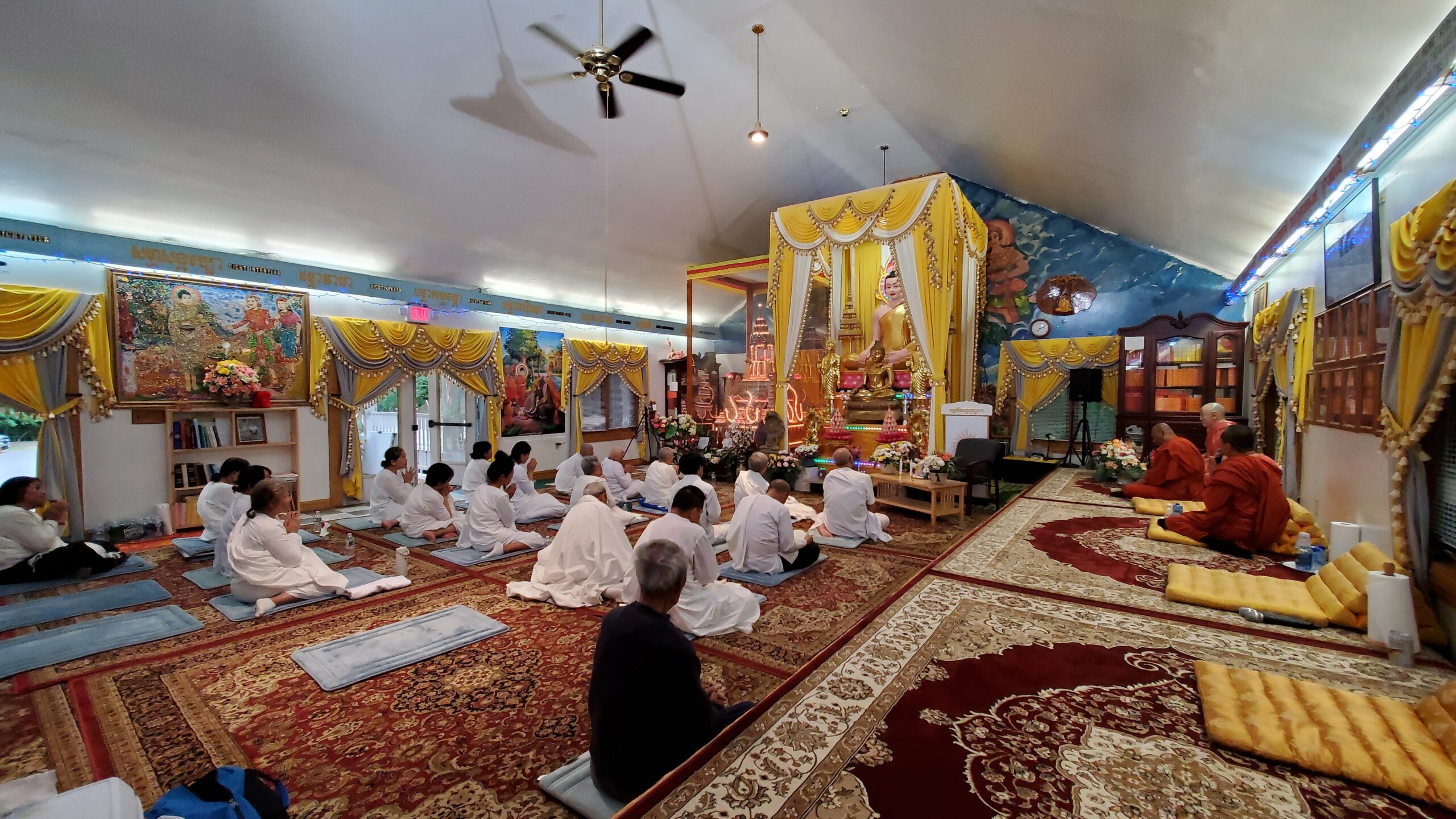
កិច្ចនមស្ការព្រះរតនត្រ័យពេលល្ងាច នា ២៣ មិថុនា ២៥៧០/២០២៦ ក្នុងឱកាសវគ្គសិក្សាសមាធិកម្មដ្ឋានរយៈពេល ១០ថ្ងៃ
Evening Paying Homage to the Triple Gem on June 23, 2570/2026 on occasion of the 10-Day Meditation Retreat
វគ្គសិក្សាសមាធិកម្មដ្ឋានក្នុងរយៈពេល ១០ថ្ងៃ ក្រោមអធិបតីភាពព្រះធម្មាចារ្យ ពុទ្ធសត្ថា គ្រូសមាធិកម្មដ្ឋាន និង ព្រះធម្មាចារ្យ ឥន្ទជោតោ គ្រូសមាធិកម្មដ្ឋាន នៅវត្ដគិរីវង្សាបុប្ផារាម អាស្រមសមាធិសន្ដិភាព ទីក្រុងឡេវវើរ៉េត រដ្ឋម៉ាសាឈូសិត្ដស៍ នាថ្ងៃ ៦កើត – ២រោច ខែបឋមាឍ ឆ្នាំមមី អដ្ឋស័ក ពុទ្ធសករាជ ២៥៧០ ត្រូវនឹងថ្ងៃទី២១ ខែមិថុនា គ្រិស្ដសករាជ ២០២៦
A 10-Day Meditation Retreat presiding by Bhikkhu Buddhasatthâ, Meditation instructor, and Bhikkhu Indajoto, Meditation instructor, at Wat Kiryvongsa Bopharam, the Peace Meditation Center in Leverett, Massachusetts on Saturday the 6th Waxing Moon – 2nd Waning Moon of Pathamasadh, Year of the Horse, Buddhist Era 2570 equivalent to June 20 – July 1, A.D.2026